
Application design · legal
Courts & legal hearing rooms conference audio
Every word recorded, every speaker identified, every hearing intelligible.
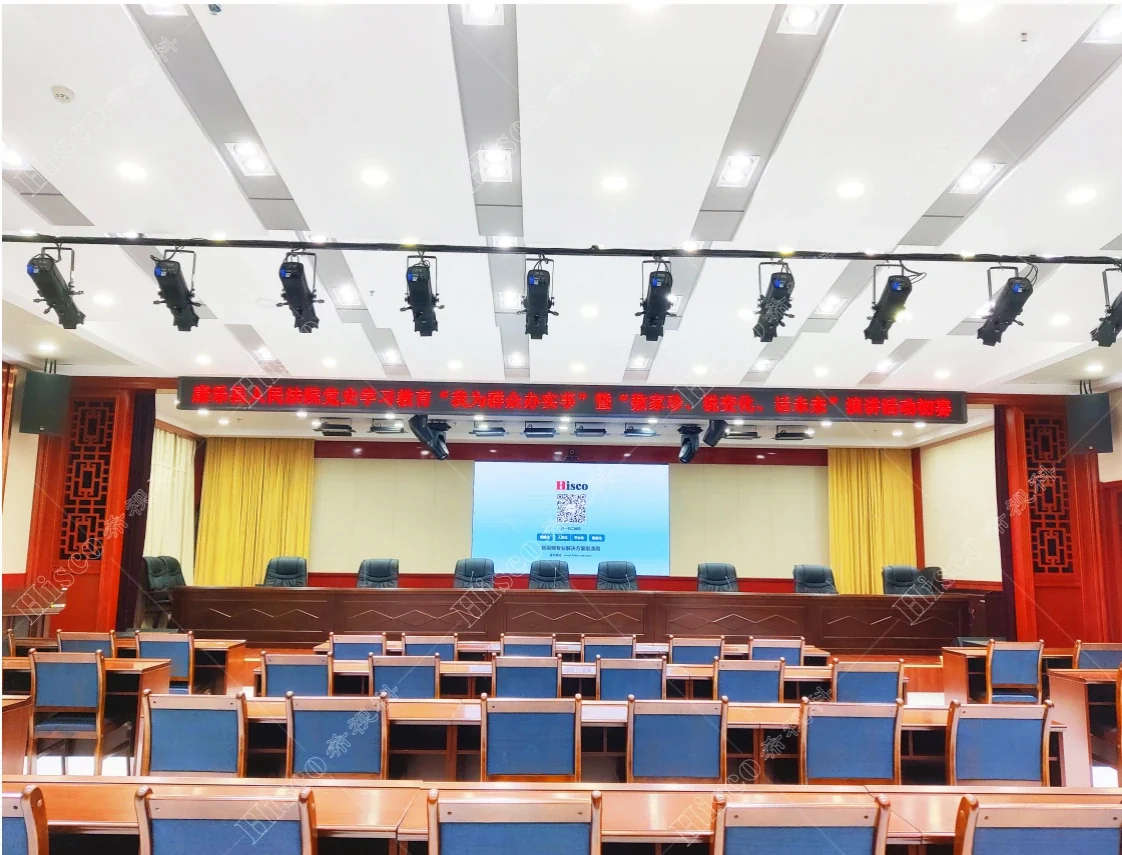
Reference application image. Client names are withheld; the equipment schedule is confirmed per project.
Record: Per position · Interpretation: Separate channel · Feedback: Layout-first
The design brief
What the space has to do
A courtroom audio system is a record-making system. The judge, the counsel, the witness, the interpreter and the public all need to hear and be heard, and the recording has to identify who said what. The acoustic design is secondary to the legal procedure.
The design covers the judge’s bench, the witness stand, the counsel tables, the interpreter position and the public gallery. Each position has its own microphone and its own record channel where required. The loudspeakers are placed to reinforce speech without feeding back into the microphones.
Design checks
| Parameter | Value | Note |
|---|---|---|
| Record | Per position | speaker identification |
| Interpretation | Separate channel | interpreter hears source, speaks to target |
| Feedback | Layout-first | microphone and loudspeaker aim |
| Control | Clerk / judge | simple mute and priority |
Interface & responsibility
What has to be agreed before installation
The acoustic design is only half the job. These interfaces decide whether the system can be installed, tested and accepted.
| Interface | Typical arrangement | Who provides | Confirm |
|---|---|---|---|
| AV control | Touch panel / wall plate | SONTRA supply / integrator program | Room states and fallback |
| Display & source | HDMI / HDBaseT | SONTRA supply / local install | Viewing distance and lens |
| Network / codec | VLAN, QoS, bandwidth | Client IT / integrator | Bandwidth and security |
| Furniture / table boxes | Cut-outs and cable route | Furniture supplier / contractor | Before furniture order |
What usually goes wrong
Three physical problems, not three products
Identification
The recording must make clear who is speaking. Separate channels or a speaker log are required.
Interpretation
The interpreter needs to hear the source and be heard by the defendant or the witness without confusion.
Feedback
The judge, counsel and witness are close to the loudspeakers. Microphone directivity and loudspeaker aim are critical.
The design response
What we change in the system
Position microphones
Bench, witness, counsel and interpreter have dedicated microphones with mute and priority as required.
Separate record channels
The record system receives each position separately, so the transcript can identify the speaker.
Interpretation path
The interpreter hears the source channel and speaks into a separate channel. The defendant/witness hears the interpretation through a headset or a local loudspeaker.
Public gallery
A separate loudspeaker zone for the gallery, with a level that supports hearing without distracting the court.
Zone schedule
A starting point for the zoning
The final zone list follows the building’s operation and fire compartments. This is the typical structure.
| Zone | Need | Typical kit |
|---|---|---|
| Judge’s bench | Speech capture, priority | Gooseneck microphone, local monitor |
| Witness stand | Speech capture, interpretation | Gooseneck microphone, headset |
| Counsel tables | Speech capture, record | Gooseneck microphones, record channels |
| Public gallery | Programme audio | Ceiling loudspeakers, separate level |
Equipment families
The blocks used in this design
These are the families that usually make up the system. The final model list follows the zone schedule and the certification route.
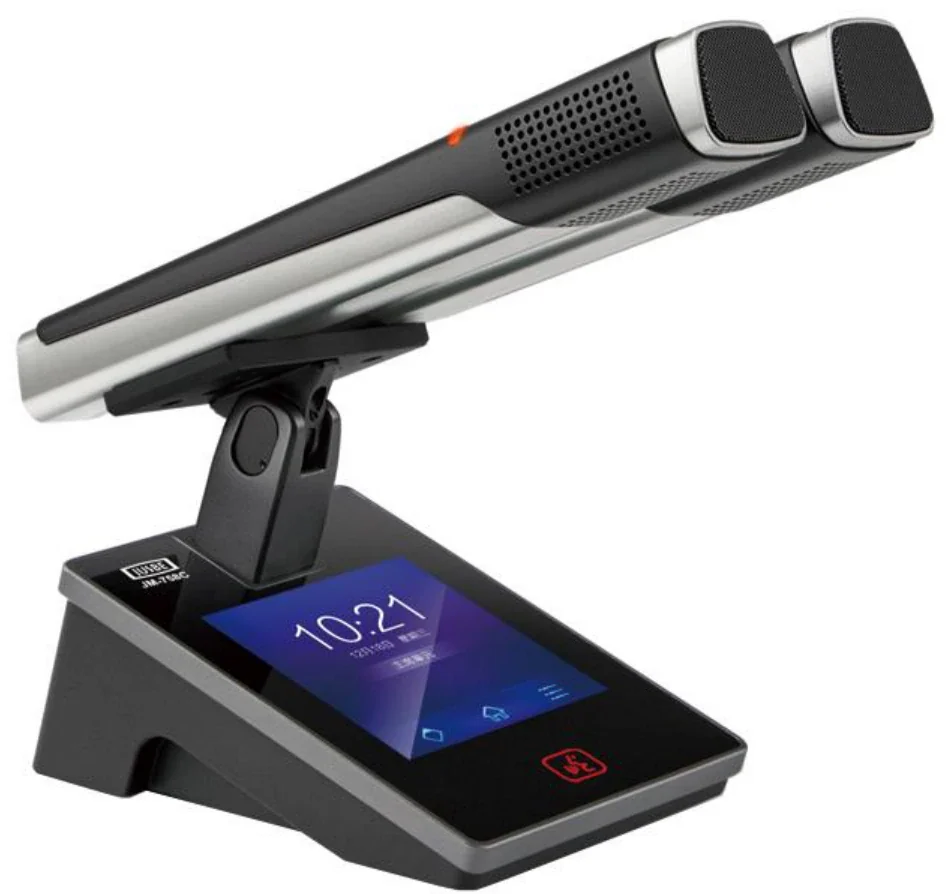 Conference line · procedure
Voting, delegate & interpretation
Delegate units, voting terminals, chairman control and simultaneous-interpretation channels for councils, parliaments, courts and international meeting rooms.
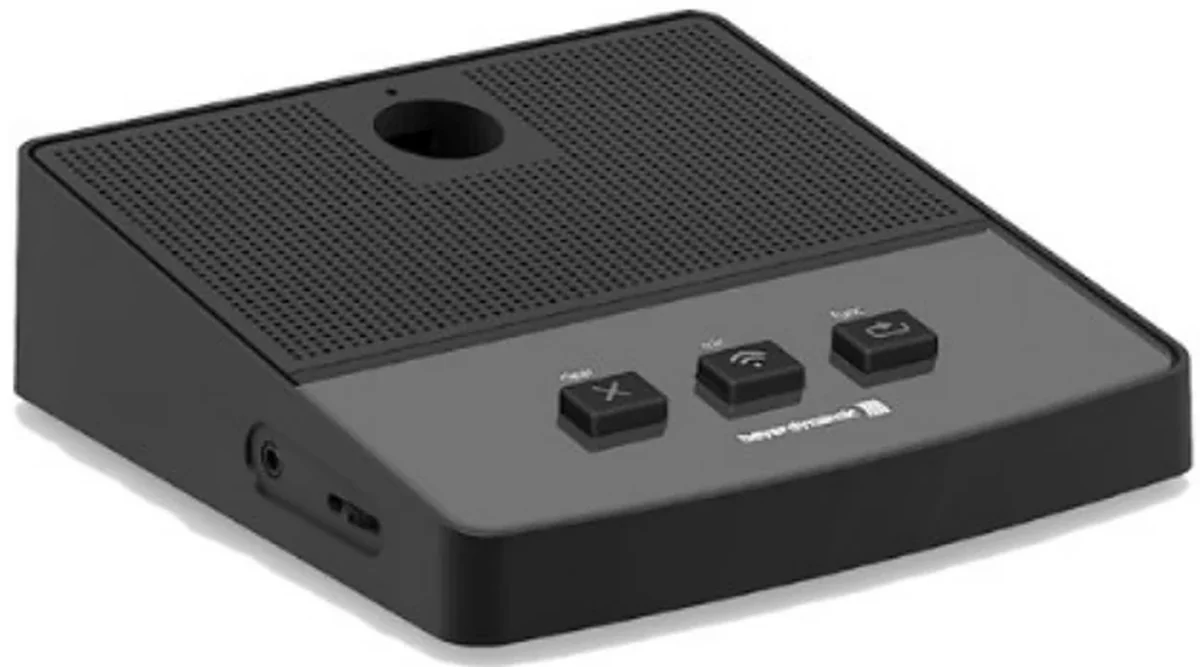 Conference line · speech
Conference microphones & discussion
Conference hosts, chairman and delegate units, gooseneck microphones, paperless terminals and discussion systems for boardrooms, councils and lecture halls.
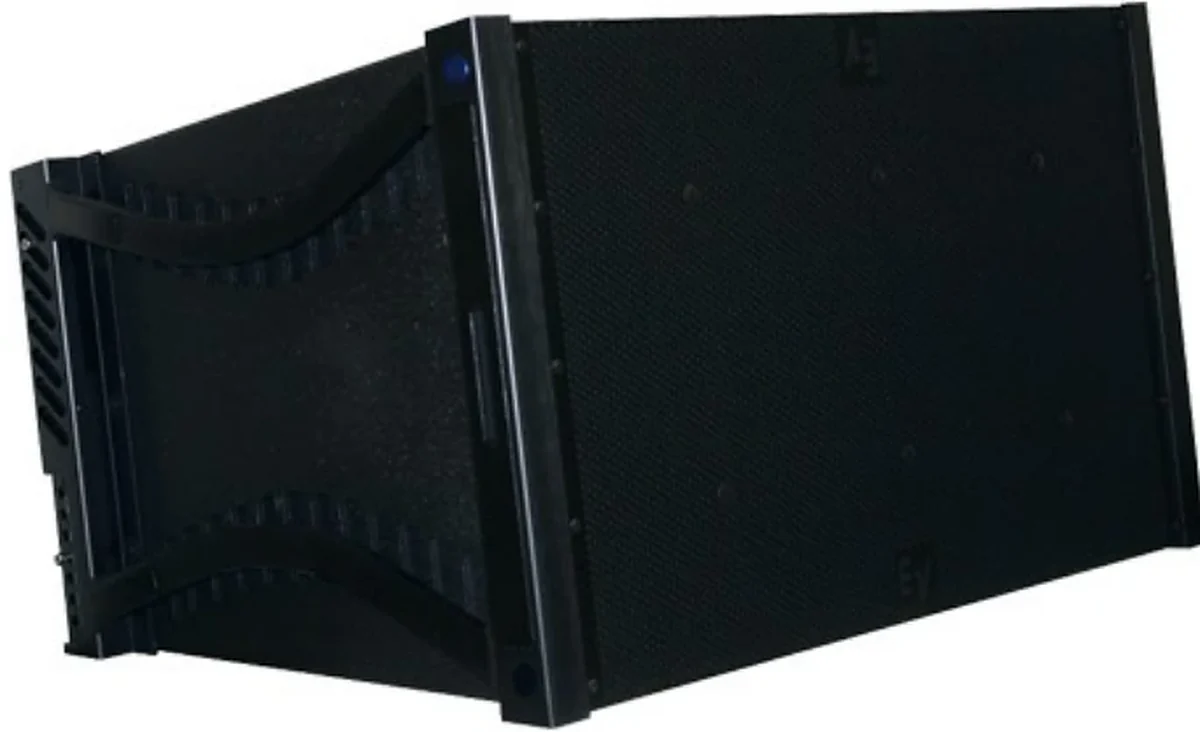 Conference line · reinforcement
Conference room sound reinforcement
Ceiling, wall and line-array loudspeakers, amplifiers and audio processing for meeting rooms, boardrooms, lecture theatres and multi-purpose halls.
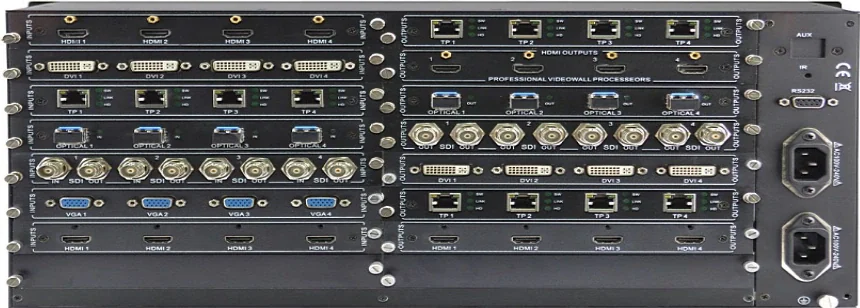 Conference line · control
AV control & matrix switching
Control processors, touch panels, wall plates and AV matrices that switch sources, route audio and video, and set the room to a known state.
Related applications
Adjacent spaces, different rules
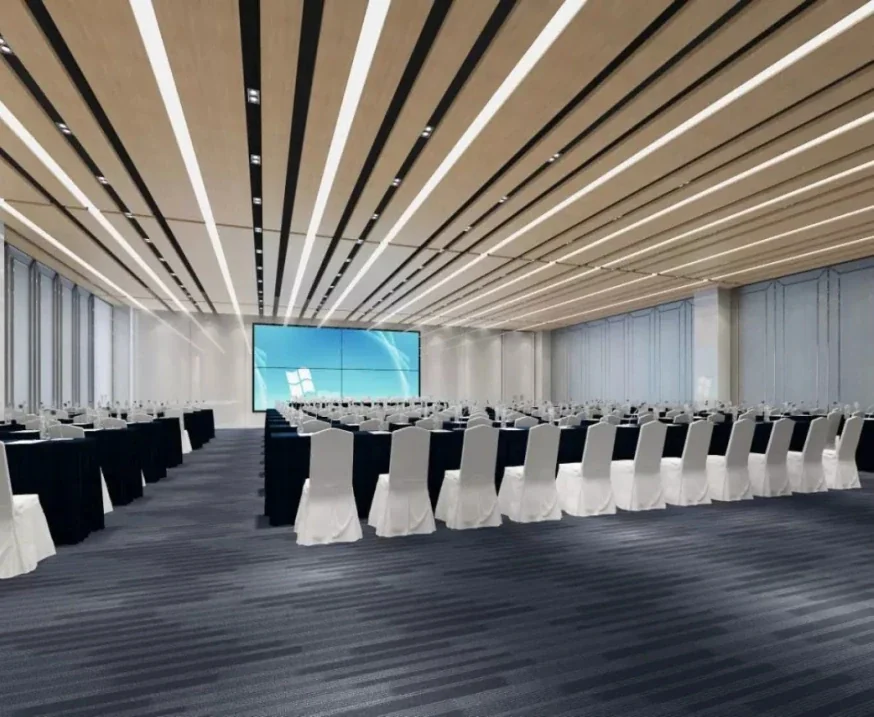
Government chambers
Discussion, voting, interpretation and a record that stands up to scrutiny.
View application design
Boardrooms & executive rooms
High-fidelity speech, discreet technology and a room that protects the conversation.
View application design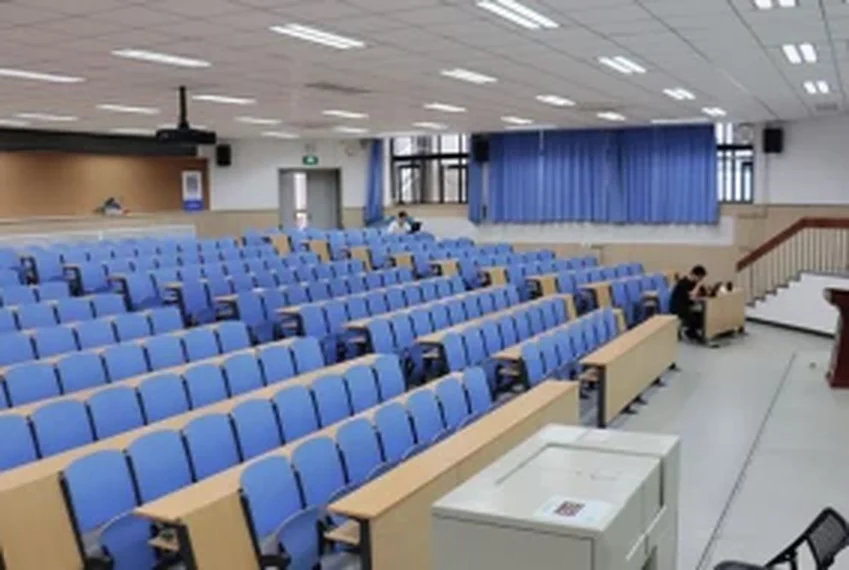
Lecture halls & auditoriums
One presenter, hundreds of listeners and a room where the back row must hear every word.
View application designQuestions
Frequently asked questions
The questions that usually decide the scope: loudspeaker count, amplifier size, fire interface, certification and who installs the system. If your question is not here, send it with the building data.
Ask an application engineerCan the system produce a transcript?
The audio system provides separate record channels; the transcription is done by the court’s recording system or a stenographer. We coordinate the audio outputs with the recording system and label the channels by position.
How does interpretation work in a courtroom?
The interpreter hears the source channel through a headset and speaks into a separate channel. The defendant or witness hears the interpretation through a headset or a local loudspeaker. The channel assignment and the acoustics of the interpreter position are part of the design.
Can the public gallery hear the hearing?
Yes, with a separate loudspeaker zone and a level that supports hearing without distracting the court. The judge can mute or reduce the gallery feed if required.
How do you prevent feedback in a small courtroom?
Use directional gooseneck microphones, keep the loudspeakers ahead of the microphones and set the gain structure carefully. The room’s hard surfaces may need acoustic treatment. A feedback suppressor is a supplement, not the primary fix.
Next step
Send the room data once
A sketch, a room schedule or a drawing link is enough to start. This application can be supplied as a complete package: own-factory equipment, full system configuration and one combined proposal covering the adjacent rooms or systems.
- Room sizes, ceiling height and finishes
- Seat, table or zone count
- Fire interface and applicable standard
- Any ODM / OEM or private-label requirement
Project inquiry
Discuss Courts & legal hearing rooms
Send the room or building data once. We return one combined proposal covering PA, conference, ballroom and AV, with the equipment schedule, interface list and the questions that still need an answer. ODM and OEM inquiries are welcome. Drawings are welcome but not required.