
PA line · networked
Network audio & IP PA system
IP audio terminals, network amplifiers, paging consoles and cloud or local management for campuses, towers and distributed sites.
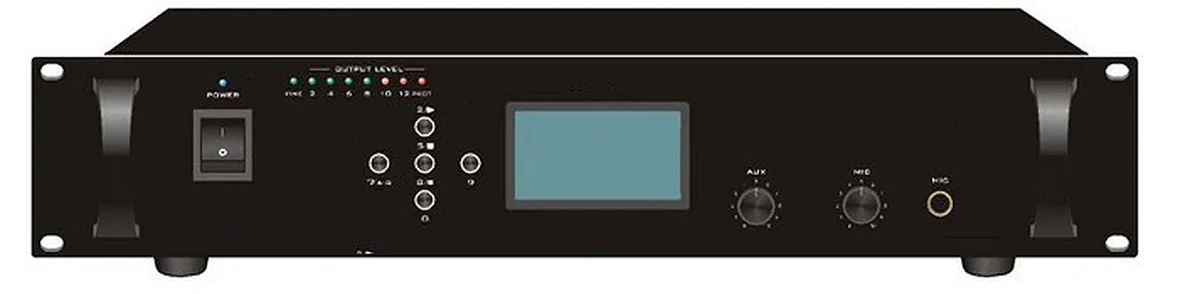
Representative image. Final finish and configuration are confirmed with the quotation.
Key values: VLAN / QoS · Local · PoE / PSU · Central
Overview
Audio and control on one network, with local fallback.
IP audio is not automatically better than analogue. It is better when the project has many buildings, many zones, remote control or a need to reuse an existing data network. It is worse when the network is unreliable, the switches are unmanaged or the client expects the audio system to survive a network outage without local fallback.
The practical architecture is hybrid: a central head end for scheduling and control, IP terminals or IP amplifiers near the loudspeakers, and local analogue circuits for the last metres. The network carries the audio and the control; the local amplifier carries the 100V line.
We design the IP layer with the IT team, not around them: VLANs, QoS, multicast, DHCP reservations, PoE budget and cybersecurity are part of the submittal. A public-address system that depends on a flat network is a support call waiting to happen.
Manufacturing & system package
Manufactured in our own factory. Available as a standalone family, or combined with PA, conference, AV and ballroom families into one complete system package and one combined proposal. ODM and OEM programmes available.
Local fallback
Each network terminal or amplifier can hold a local message and a local input, so a network failure does not silence the building.
Distributed amplification
Put the amplifier near the loudspeakers. Shorter 100V runs, smaller racks and easier fault isolation.
Central scheduling
Bell schedules, music playlists and zone groups are managed centrally and pushed to the sites.
IT-friendly design
VLAN, QoS, multicast and PoE are documented before the equipment is ordered. The IT team signs off the network plan.
Reference specification
What are the reference specifications and selection rules?
The table is a design reference, not a model datasheet. The quoted model carries the final ratings.
| Item | Reference value or guidance |
|---|---|
| Network design | VLAN / QoS |
| Fallback per terminal | Local |
| Power options | PoE / PSU |
| Scheduling | Central |
| Topology | Central head end + distributed IP terminals |
| Network | VLAN, QoS, multicast, DHCP reservation |
| Power | Local PSU or PoE, depending on terminal |
| Fallback | Local message and local input per terminal |
| Management | On-premise server or private cloud |
| Security | Isolated VLAN, access control, firmware policy |
| Single building | Analogue 100V is usually simpler and cheaper unless the building already has a well-managed network and the client wants remote scheduling. |
| Campus with 5+ buildings | IP audio earns its cost here. Central scheduling, distributed amplifiers and per-building fallback are all valuable. |
| Remote sites | IP terminals with 4G backup or local message storage can keep sites running when the WAN is down. Check the data plan and the security policy. |
| Existing data network | Do not share an unmanaged office network. Use a dedicated VLAN and confirm QoS. The audio system should not be the reason the office network fails. |
| Fire evacuation | A network-based voice alarm must meet the same standard as an analogue one. The network path, power and fallback are part of the certification scope. |
Model range
Representative models with photos
Only models with an available product photo are listed. The full range, model-level datasheets and certificate scope are supplied with the quotation. Brand names are not used on this site.
Request the full model list| Photo | Model | Type | Note |
|---|---|---|---|
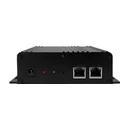 | IP-S1 | IP network broadcast server | Central server for terminals, zones and scheduled audio. |
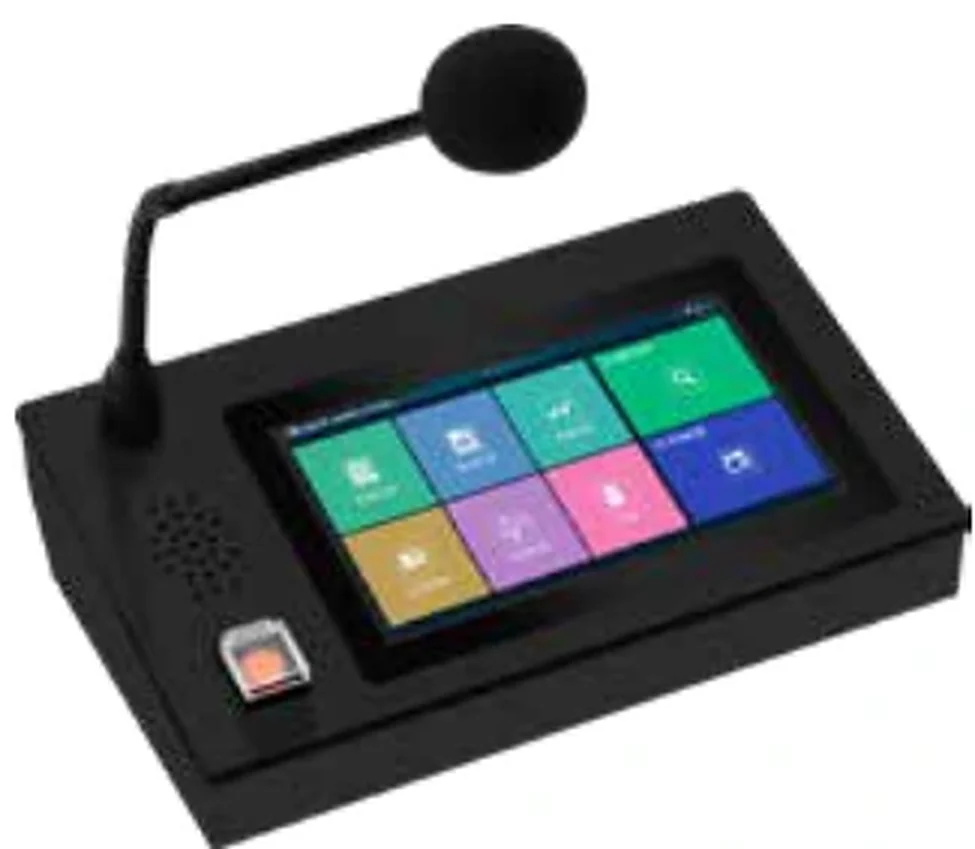
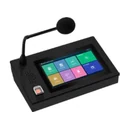 | IP-Q5 | IP paging console | Network paging console with touchscreen zone control. |
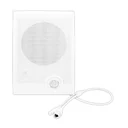 | IP-2H-BG / IP-5H-BG | IP network speaker | Network loudspeaker with local amplification and network input. |
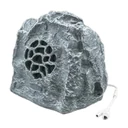 | IP-SN-A4 | Network landscape loudspeaker | Outdoor network loudspeaker for campus and landscape zones. |
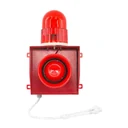 | IP56 | Network sound-light alarm | Network alarm unit with local sound and light. |
Representative models only. Key electrical, acoustic and certification values are confirmed in the model datasheet and the quotation.
Typical applications
Where this family is used
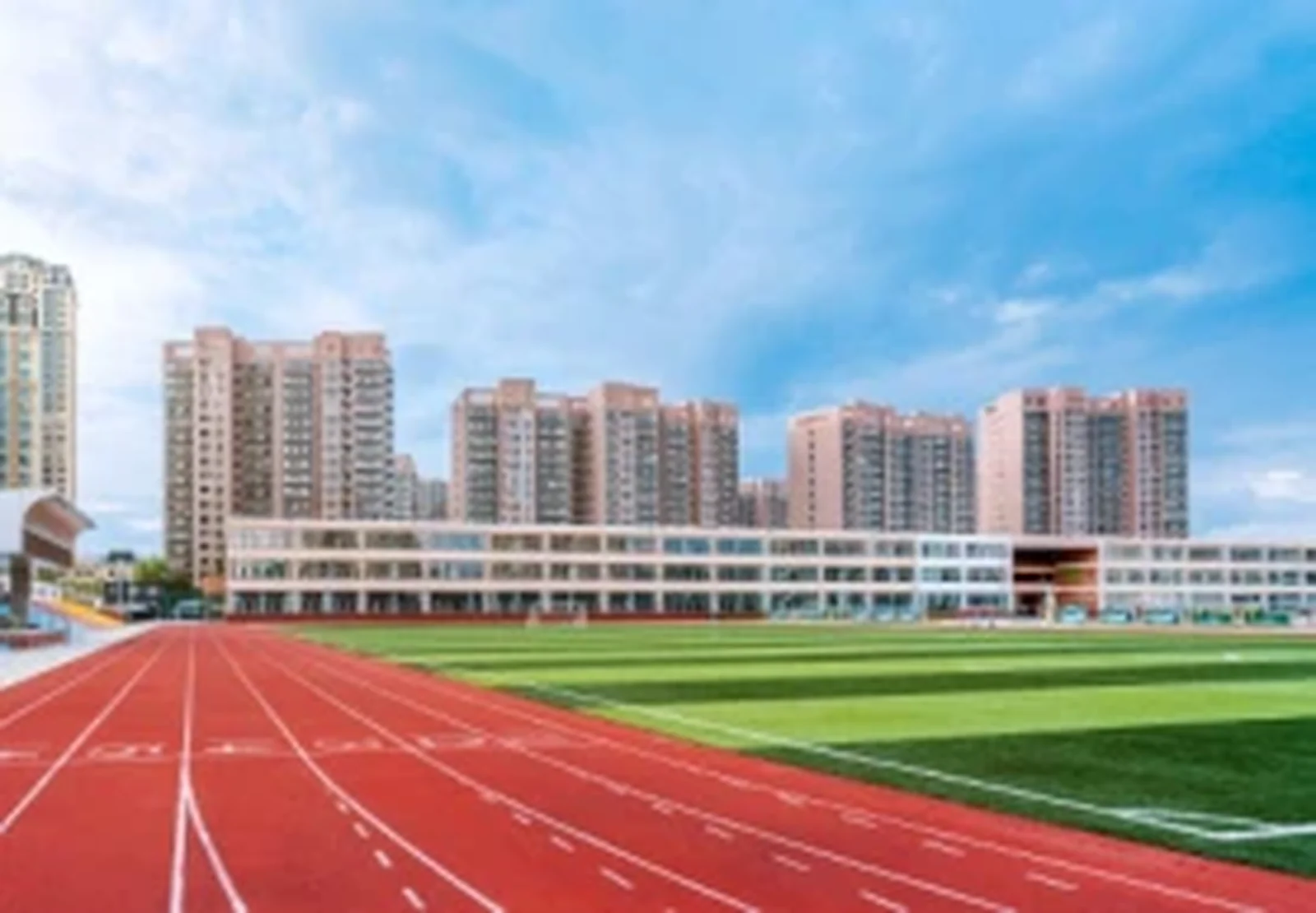
Schools & campuses
One bell, one paging system and one evacuation path across classrooms, corridors, playgrounds and canteens.
View application design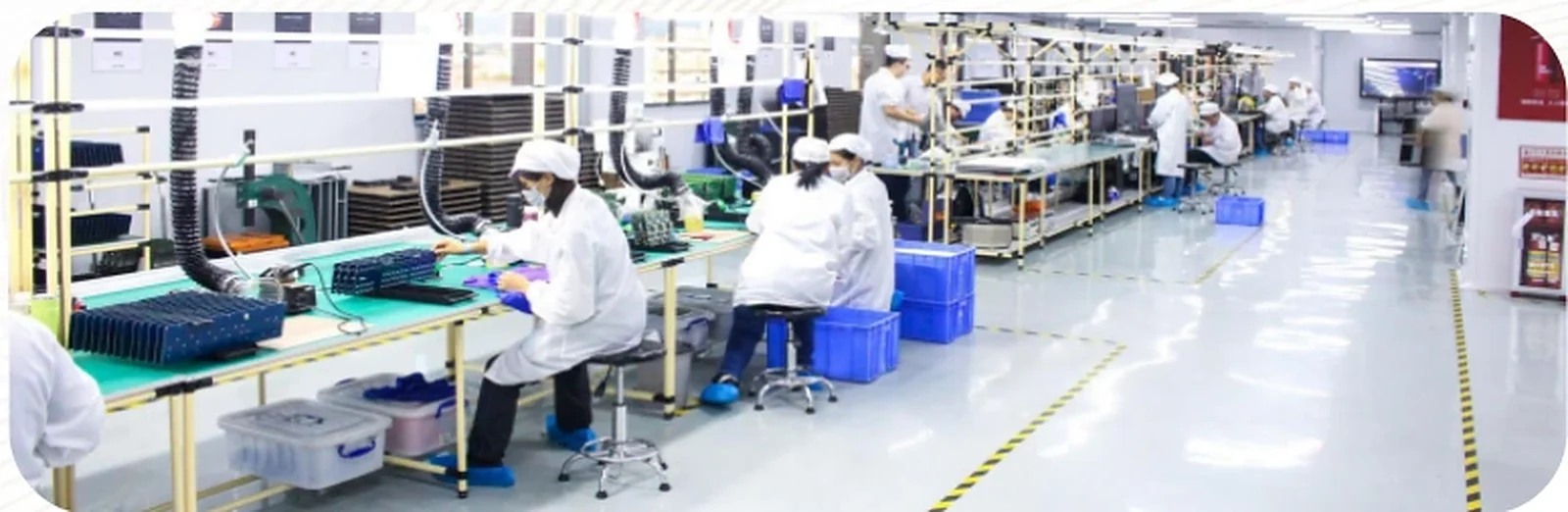
Factories & industrial sites
Announcements that cut through machinery noise, indoors and across the yard, without becoming a hazard.
View application design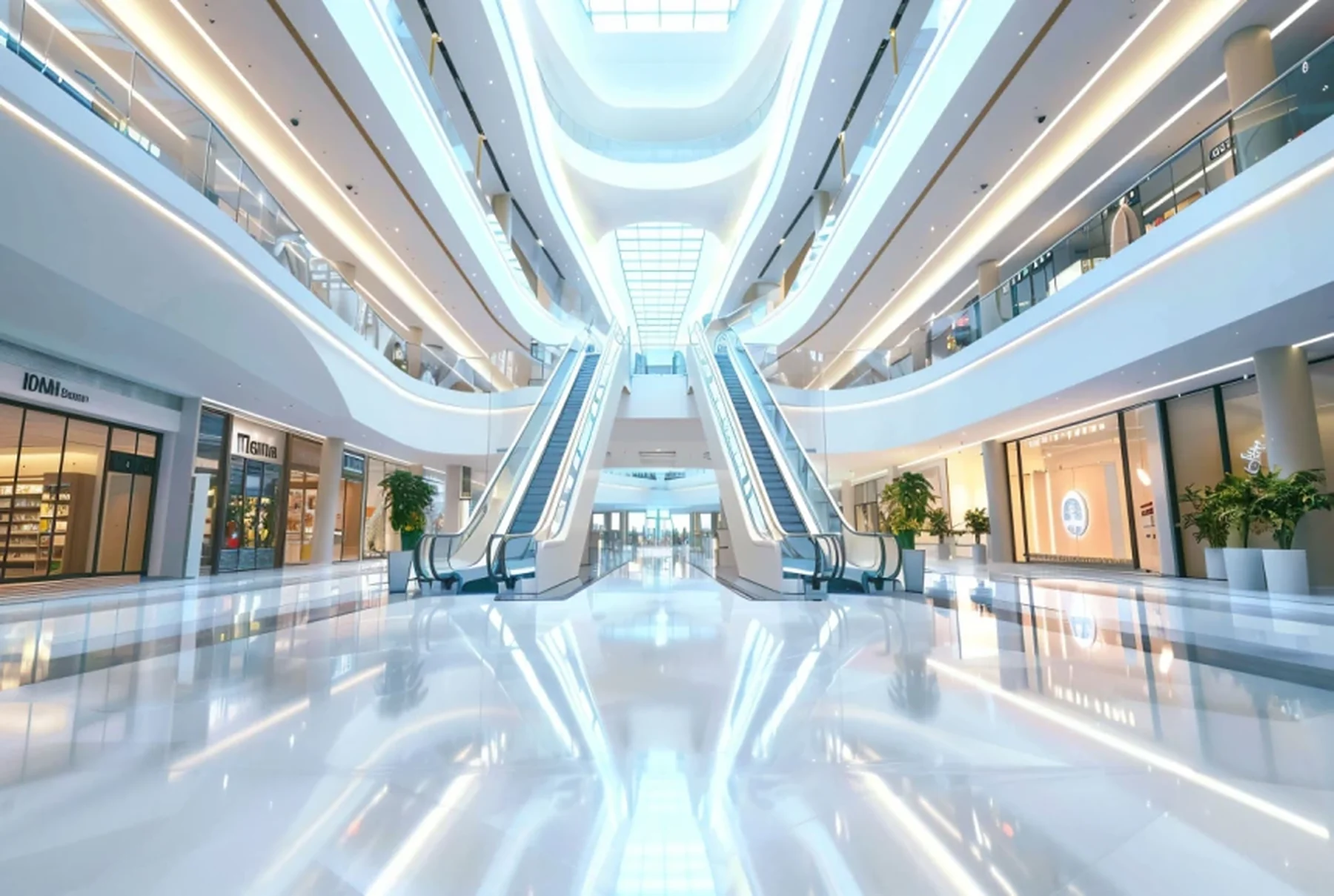
Airports, stations & transit
Long concourses, hard surfaces and constant background noise — announcements that stay intelligible at the farthest gate.
View application design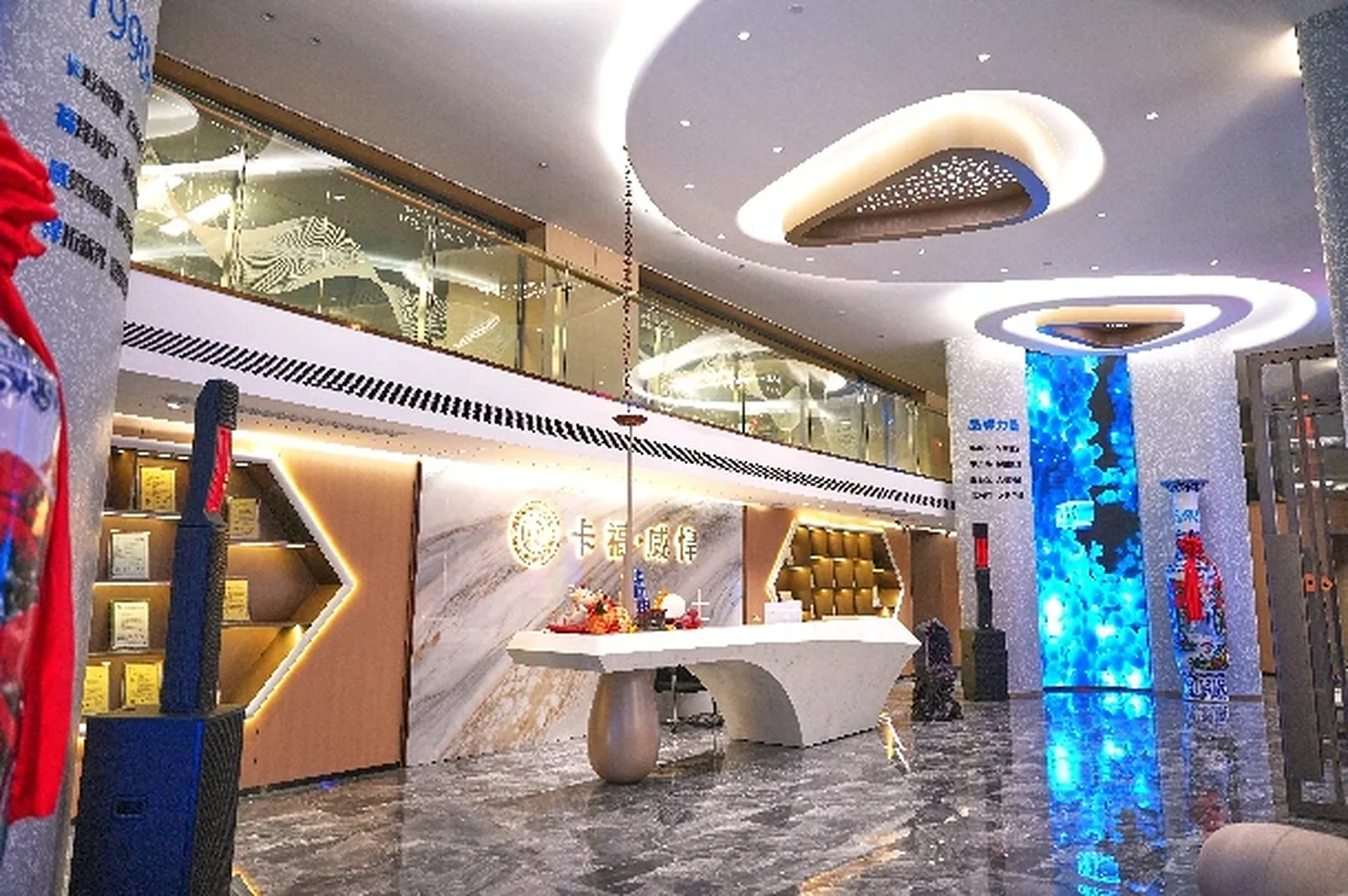
Offices & commercial buildings
Background music, floor paging and evacuation in a building that has to feel calm every day and work under pressure once.
View application design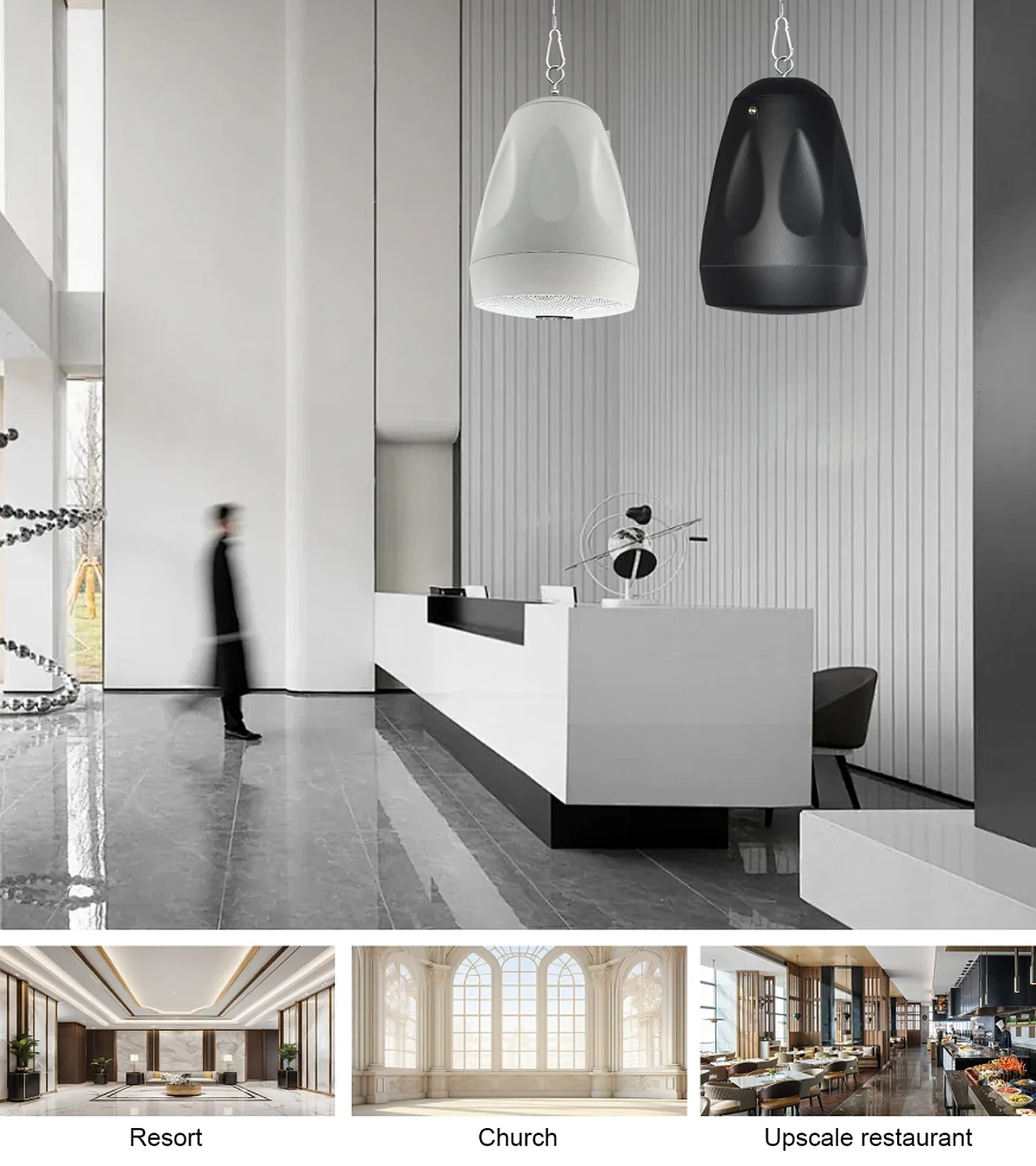
Existing building retrofit
New paging and evacuation in a building that cannot be opened up, closed down or filled with new cable.
View application designRelated
Build the rest of the chain
A working system is more than one family. These are the adjacent blocks that are usually specified together.
 PA line · core
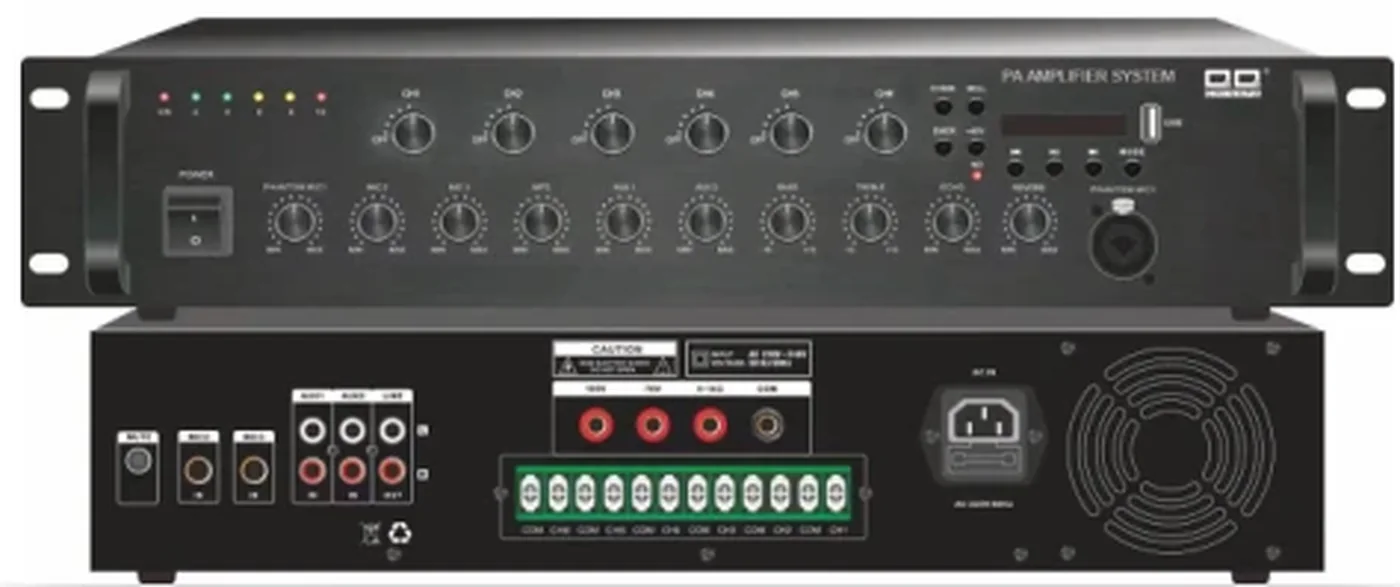
Broadcast control & amplifiers
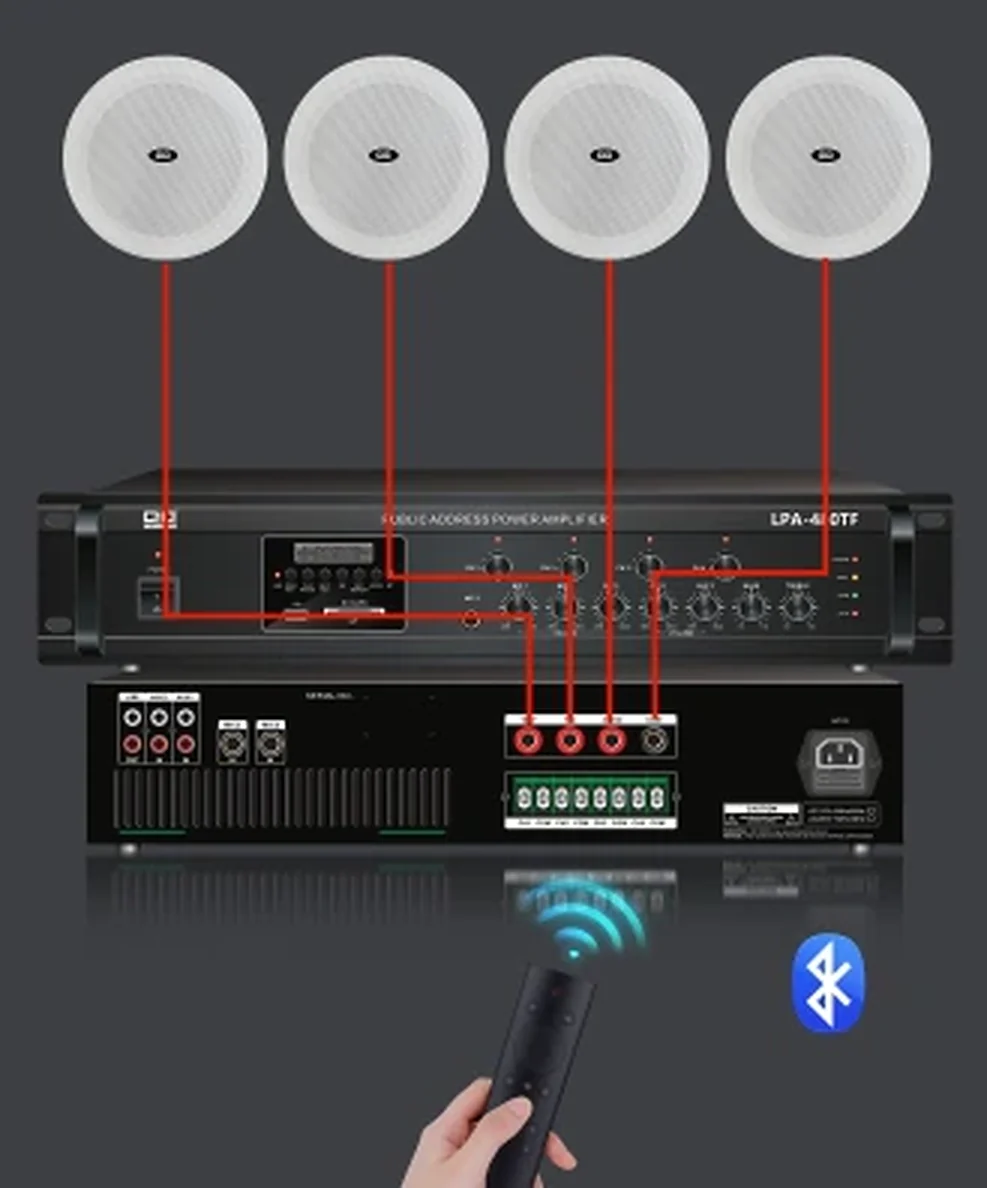
Broadcast hosts, zone controllers, mixer amplifiers and IP amplifiers for background music, paging and emergency override — specified as one signal chain.
 PA line · control
Zone paging & paging consoles
Desktop paging consoles, remote paging stations, zone selectors and timed message players for schools, hospitals, stations and commercial buildings.
 PA line · everyday
Background music systems
Music sources, players, zone volume control and loudspeaker selection for hotels, retail, restaurants, offices and public areas — with the paging and fire override designed in from the start.
PA line · life safetyVoice alarm & fire interface
Voice-alarm control, evacuation messages, fire-alarm interfaces and monitored loudspeaker circuits — specified to the standard the project actually has to meet.
Questions
Frequently asked questions
The questions that usually decide the scope: loudspeaker count, amplifier size, fire interface, certification and who installs the system. If your question is not here, send it with the building data.
Ask an application engineerIs IP audio reliable enough for public address?
Yes, when the network is designed for it: dedicated VLAN, QoS, redundant paths where needed, and local fallback at each terminal. The failure mode to avoid is a flat, unmanaged network where a broadcast storm or a switch reboot silences the building.
Do I need a server on site?
Not always. Some systems run on a local controller; others use a private cloud. The decision depends on IT policy, internet reliability and whether the client wants remote management. We document the data flow and the login model before the quote.
Can IP audio use the existing switches?
Sometimes, if the switches support VLANs, QoS and the required multicast behaviour. The IT team must approve the design. We do not assume that an office switch is suitable just because it has spare ports.
What happens during a network outage?
Each terminal should keep a local message, a local input and a local amplifier. The design defines which zones remain available and how the fire interface behaves. The client should test the fallback during commissioning.
Can the system be managed remotely?
Yes, with a private cloud or a VPN. Remote access must be secured and logged. We recommend a separate management network and a clear firmware update policy.
Next step
Send the room, not the model
Tell us the building type, the zones, the ceiling height and the fire interface. We will check whether this family fits before we quote it, and show how it combines with the rest of the system in one proposal.
- Coverage and tap-load calculation
- Interface list for fire, paging and network
- Certificate scope confirmed per model
- ODM / OEM or private-label requirement
Project inquiry
Ask about Network audio
Send the room or building data once. We return one combined proposal covering PA, conference, ballroom and AV, with the equipment schedule, interface list and the questions that still need an answer. ODM and OEM inquiries are welcome. Drawings are welcome but not required.