
Application design · industrial
Factories & industrial sites PA system
Announcements that cut through machinery noise, indoors and across the yard, without becoming a hazard.
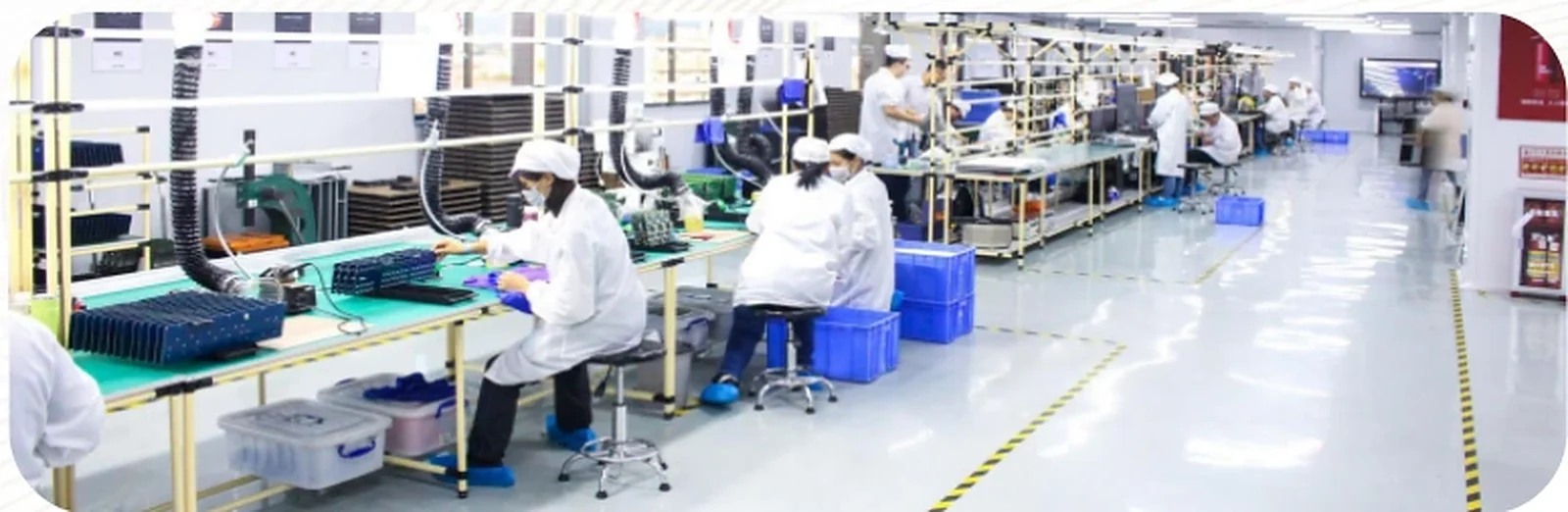
Reference application image. Client names are withheld; the equipment schedule is confirmed per project.
Emergency level: +15 dB · Coverage: Overlapping · Enclosure: Area-matched
The design brief
What the space has to do
Factory paging is a signal-to-noise problem. The loudspeaker has to be intelligible over machinery, ventilation and intermittent impact noise. A ceiling loudspeaker designed for an office will not do it, no matter how far the volume is turned up.
The design uses horn or projector loudspeakers aimed at the working plane, with zones that follow the production process and the emergency routes. Outdoor areas, loading bays and warehouses are separate zones. The paging console is placed where the shift supervisor can reach it, and the fire alarm has priority over everything.
Design checks
| Parameter | Value | Note |
|---|---|---|
| Emergency level | +15 dB | above the measured ambient noise |
| Coverage | Overlapping | no dead spots at the working plane |
| Enclosure | Area-matched | dust, water and corrosion confirmed |
| Line | 100V | long runs with low loss |
Interface & responsibility
What has to be agreed before installation
The acoustic design is only half the job. These interfaces decide whether the system can be installed, tested and accepted.
| Interface | Typical arrangement | Who provides | Confirm |
|---|---|---|---|
| Fire alarm interface | Hard-wired trigger per zone or group | Fire contractor / SONTRA interface design | Cause-and-effect matrix |
| Paging console | Desktop console or IP paging station | SONTRA supply / local installer | Zone access and priority |
| Network / IT | Dedicated VLAN, QoS, multicast | Client IT / integrator | Network sign-off |
| Loudspeaker circuits | 100V line per zone / riser | Local contractor / SONTRA schedule | Impedance and tap test |
What usually goes wrong
Three physical problems, not three products
High ambient noise
The emergency message must be 15 dB above the local noise. The loudspeaker and tap are chosen from the measured or estimated noise level.
Large, reflective volumes
Metal roofs and hard floors create echoes. Directional loudspeakers and shorter reverb paths help more than extra power.
Hazardous and outdoor areas
Dust, humidity, wash-down and explosive atmospheres may require specific enclosures. The area classification is confirmed before the model is selected.
The design response
What we change in the system
Zone by process
Production lines, warehouses, loading bays, offices and outdoor yards are separate zones. The supervisor can call one line without stopping the others.
Horn coverage
Horn loudspeakers aim at the working plane from columns or walls. The coverage overlaps enough to avoid dead spots without over-driving the nearest area.
Emergency priority
The fire alarm overrides the paging and the music. The evacuation message is audible above the machinery noise in every zone.
Rugged head end
Amplifiers and controls are placed in a clean, accessible room. IP amplifiers can be distributed near the production areas to shorten 100V runs.
Zone schedule
A starting point for the zoning
The final zone list follows the building’s operation and fire compartments. This is the typical structure.
| Zone | Need | Typical kit |
|---|---|---|
| Production hall | Paging over machinery noise | Horn loudspeakers, high taps, directional aim |
| Warehouse | Announcements and evacuation | Horn or column loudspeakers, high mounting |
| Loading yard | Outdoor paging and warning | Weather-rated horns, pole mounting |
| Offices and canteen | Normal paging and music | Ceiling loudspeakers, lower taps |
Equipment families
The blocks used in this design
These are the families that usually make up the system. The final model list follows the zone schedule and the certification route.
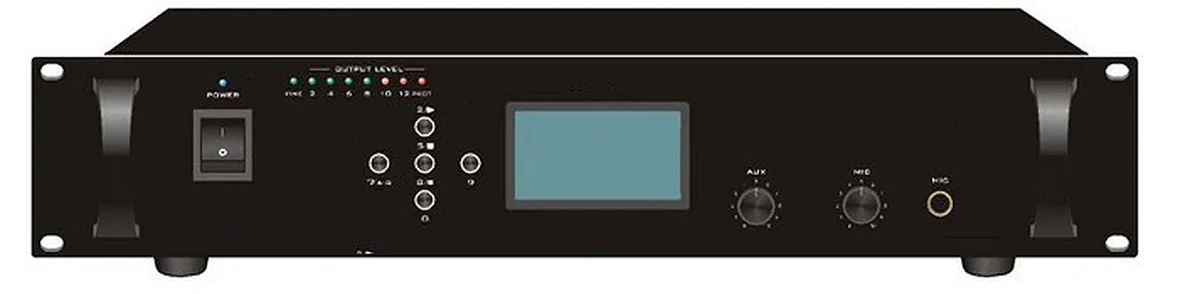
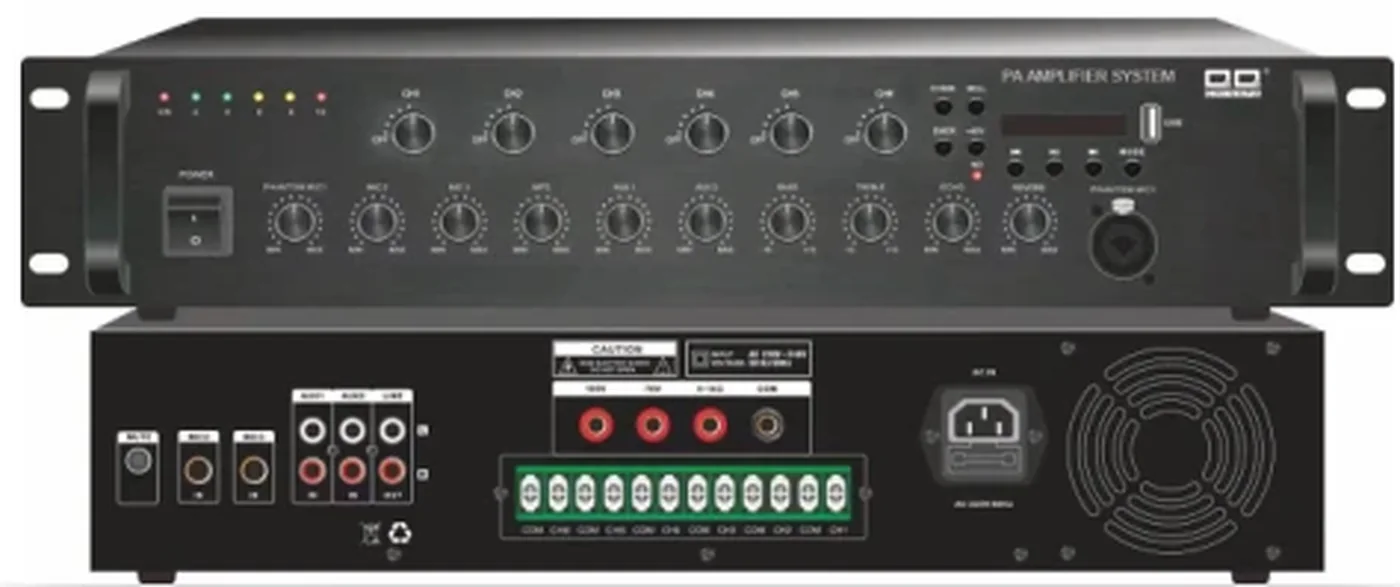 PA line · core
Broadcast control & amplifiers
Broadcast hosts, zone controllers, mixer amplifiers and IP amplifiers for background music, paging and emergency override — specified as one signal chain.
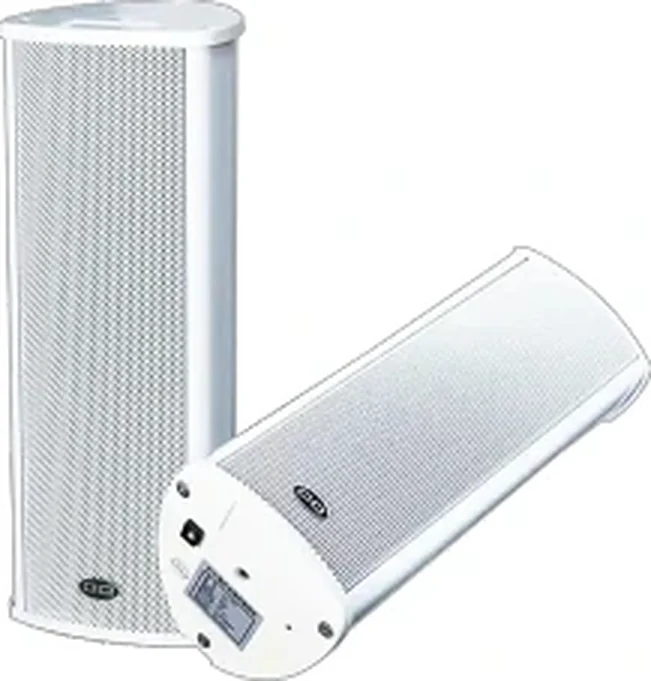 PA line · output
Ceiling, horn, column & wall loudspeakers
Ceiling, horn, column, wall and landscape loudspeakers for corridors, halls, factories, stations and outdoor areas — selected by coverage and environment, not by wattage alone.
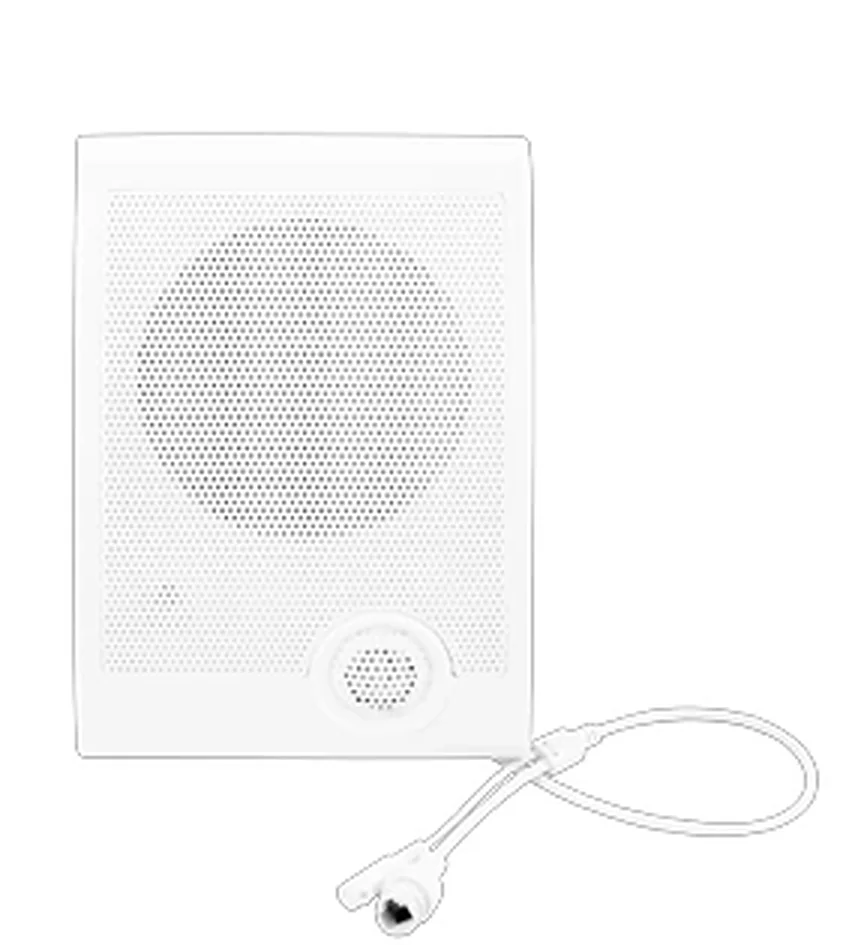 PA line · networked
IP network audio
IP audio terminals, network amplifiers, paging consoles and cloud or local management for campuses, towers and distributed sites.
 PA line · life safety
Voice alarm & fire interface
Voice-alarm control, evacuation messages, fire-alarm interfaces and monitored loudspeaker circuits — specified to the standard the project actually has to meet.
Related applications
Adjacent spaces, different rules
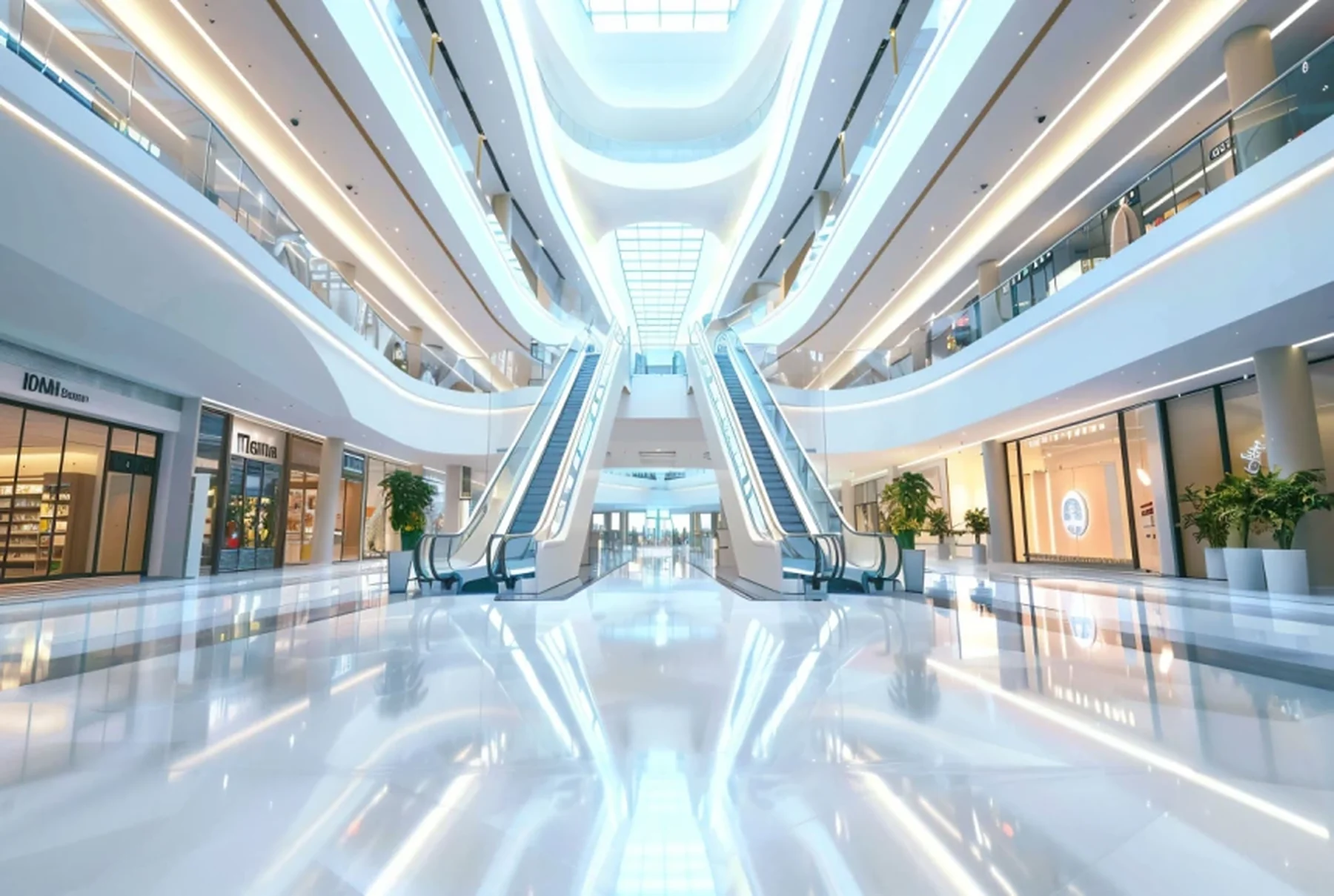
Airports, stations & transit
Long concourses, hard surfaces and constant background noise — announcements that stay intelligible at the farthest gate.
View application designFactories & industrial sites
Announcements that cut through machinery noise, indoors and across the yard, without becoming a hazard.
View application design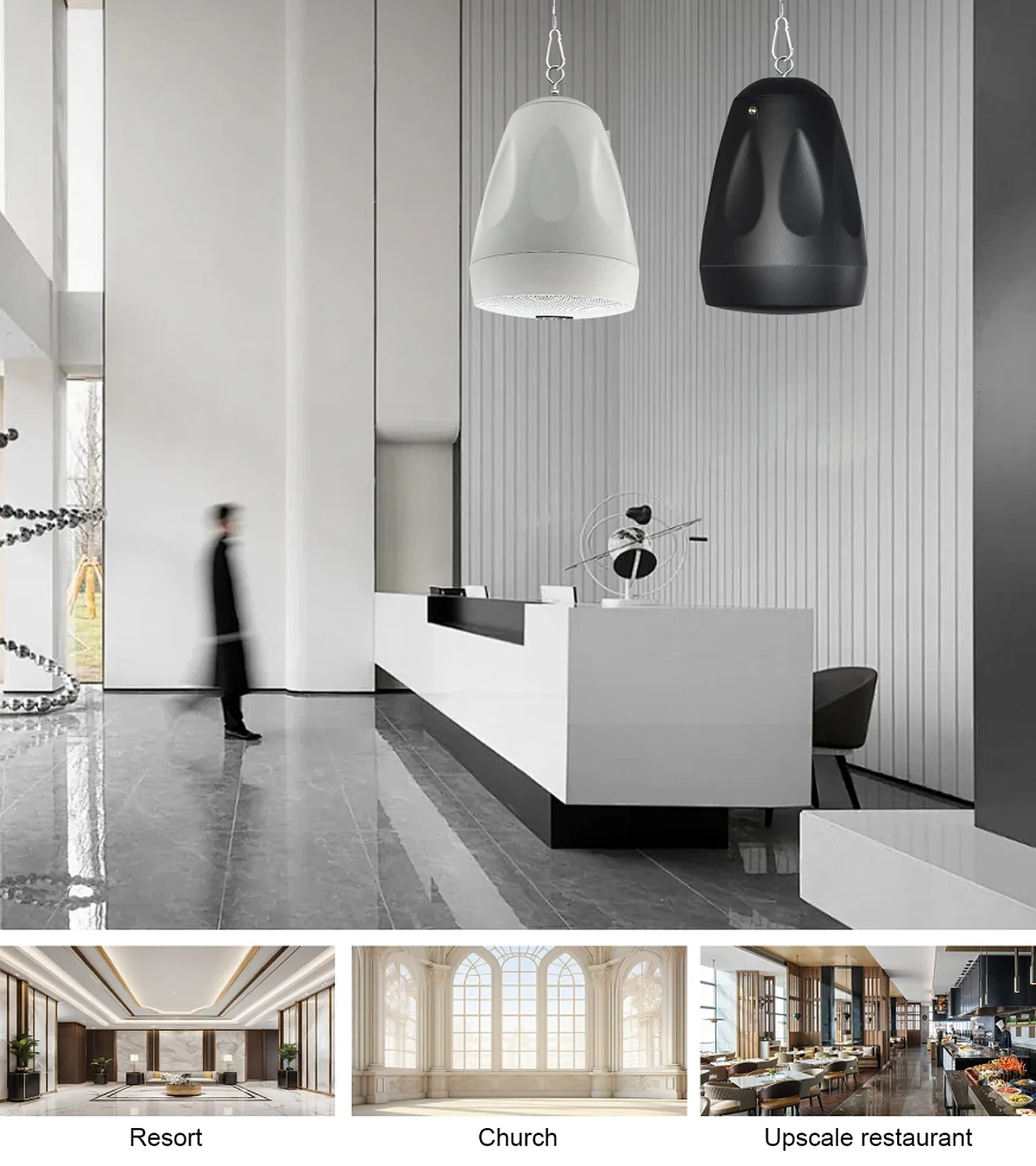
Existing building retrofit
New paging and evacuation in a building that cannot be opened up, closed down or filled with new cable.
View application designQuestions
Frequently asked questions
The questions that usually decide the scope: loudspeaker count, amplifier size, fire interface, certification and who installs the system. If your question is not here, send it with the building data.
Ask an application engineerHow do you make announcements audible over machinery?
Measure or estimate the ambient noise in each area, then design the loudspeaker coverage and tap for a level at least 15 dB above it. Directional horn loudspeakers close to the working plane are usually more effective than more power from a distant ceiling speaker.
Can the system cover the outdoor yard?
Yes, with weather-rated horn or column loudspeakers on poles or building walls. The coverage, wind load, cable route and lightning protection are part of the design. The mounting structure is normally by the local contractor.
Do we need explosion-proof equipment?
Only if the area is classified as hazardous. The area classification and the required protection concept are confirmed by the plant engineer before any model is proposed. Standard industrial loudspeakers are not suitable for hazardous areas.
Can the paging system integrate with the production network?
Yes, where the plant has a managed network and the IT/OT policy allows it. Use a dedicated VLAN and a clear security boundary. The audio system should not be exposed to the production control network.
Next step
Send the room data once
A sketch, a room schedule or a drawing link is enough to start. This application can be supplied as a complete package: own-factory equipment, full system configuration and one combined proposal covering the adjacent rooms or systems.
- Room sizes, ceiling height and finishes
- Seat, table or zone count
- Fire interface and applicable standard
- Any ODM / OEM or private-label requirement
Project inquiry
Discuss Factories & industrial sites
Send the room or building data once. We return one combined proposal covering PA, conference, ballroom and AV, with the equipment schedule, interface list and the questions that still need an answer. ODM and OEM inquiries are welcome. Drawings are welcome but not required.