
Conference line · reinforcement
Conference room audio system
Ceiling, wall and line-array loudspeakers, amplifiers and audio processing for meeting rooms, boardrooms, lecture theatres and multi-purpose halls.
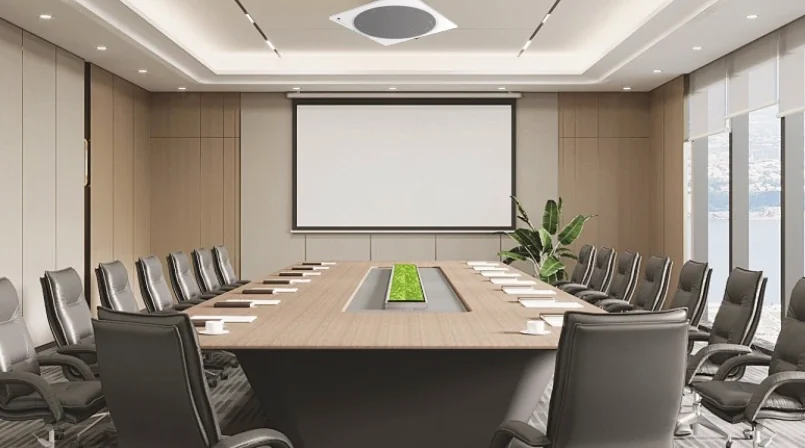
Representative image. Final finish and configuration are confirmed with the quotation.
Key values: 4–6 / 75 m² · DSP · Speech · Record
Overview
Speech that stays clear from the first row to the back wall.
Conference room sound is usually a speech-reinforcement design, not a concert design. The target is consistent intelligibility at every seat, with enough gain before feedback and without making the front row uncomfortable. The room’s reverberation time and the loudspeaker layout set the limit.
For a 162 m², 35-person meeting room, the reference design used ceiling loudspeakers for even coverage and a separate audio processor for equalisation and delay. For a 1,200 m² multi-purpose hall with movable partitions, the design changed to a zoned system with separate loudspeaker groups and a digital signal processor for each configuration.
The loudspeaker family follows the room: ceiling for low, absorbent rooms; column or line array for long, reverberant rooms; wall-mounted for rooms where the ceiling is not accessible. The amplifier and processor are chosen after the loudspeaker load is known.
Manufacturing & system package
Manufactured in our own factory. Available as a standalone family, or combined with PA, conference, AV and ballroom families into one complete system package and one combined proposal. ODM and OEM programmes available.
Speech intelligibility first
The design targets STI and RT60, not just SPL. A loud system that smears speech is a failed system.
Zoning for divisible rooms
Movable partitions need separate zones, separate DSP presets and a clear operator interface.
Delay and coverage
Long rooms use delay loudspeakers to keep the image at the presenter and the level even at the back.
Record feed separate
The room mix and the recording/streaming mix are different. The record output is set separately.
Reference specification
What are the reference specifications and selection rules?
The table is a design reference, not a model datasheet. The quoted model carries the final ratings.
| Item | Reference value or guidance |
|---|---|
| Starting density | 4–6 / 75 m² |
| Room presets | DSP |
| Intelligibility first | Speech |
| Separate mix | Record |
| Room types | Meeting, boardroom, lecture, multi-purpose |
| Loudspeakers | Ceiling, wall, column, line array |
| Processing | EQ, delay, limiter, matrix |
| Amplification | Low-impedance or 100V, per design |
| Targets | Speech intelligibility and even coverage |
| Control | Wall panel, touch panel, software |
| Small meeting room (up to 75 m²) | Four to six ceiling loudspeakers and a small amplifier with DSP. Keep the loudspeakers out of the microphone axis. A display with built-in speakers is not a substitute for a proper speech system. |
| Boardroom (75–160 m²) | Ceiling or wall loudspeakers with a DSP preset for speech. Add a delay ring if the room is long. The record output is separate. |
| Lecture theatre | A central cluster or line array for the front, delay loudspeakers for the rear, and a separate stage monitor for the presenter. Speech intelligibility is the primary target. |
| Divisible hall | Separate loudspeaker zones per partition configuration, with DSP presets and a clear operator selector. Test each configuration with the partitions in place. |
| Heritage or retrofit room | Surface-mounted column or wall loudspeakers avoid ceiling work. Cable routes and mounting points are surveyed before the design is fixed. |
Model range
Representative models with photos
Only models with an available product photo are listed. The full range, model-level datasheets and certificate scope are supplied with the quotation. Brand names are not used on this site.
Request the full model list| Photo | Model | Type | Note |
|---|---|---|---|
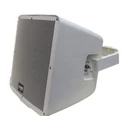 | XL-10B | PS-series professional speaker | Professional speaker for meeting-room speech reinforcement. |
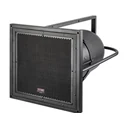 | XL-15C | Professional engineering speaker | Engineering speaker for larger meeting and lecture rooms. |
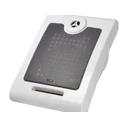 | GL-13H | Wall loudspeaker | Wall speaker for rooms where ceiling mounting is not available. |
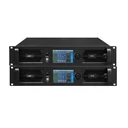 | D4100 | Power amplifier | Rack amplifier for the room loudspeaker load; DSP preset confirmed in design. |
Representative models only. Key electrical, acoustic and certification values are confirmed in the model datasheet and the quotation.
Typical applications
Where this family is used
Meeting rooms
The everyday room: display, ceiling loudspeakers and a microphone that works on the first attempt.
View application design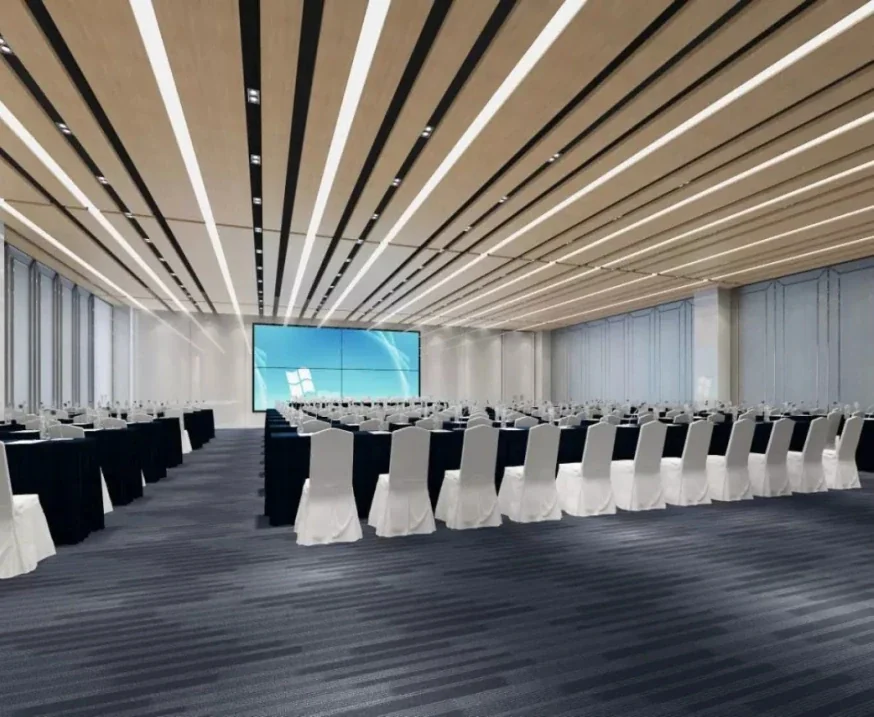
Boardrooms & executive rooms
High-fidelity speech, discreet technology and a room that protects the conversation.
View application design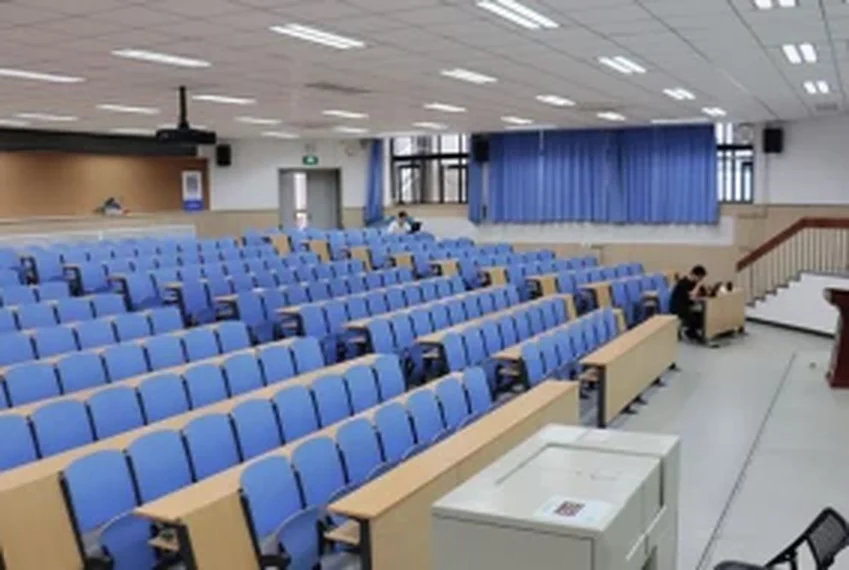
Lecture halls & auditoriums
One presenter, hundreds of listeners and a room where the back row must hear every word.
View application design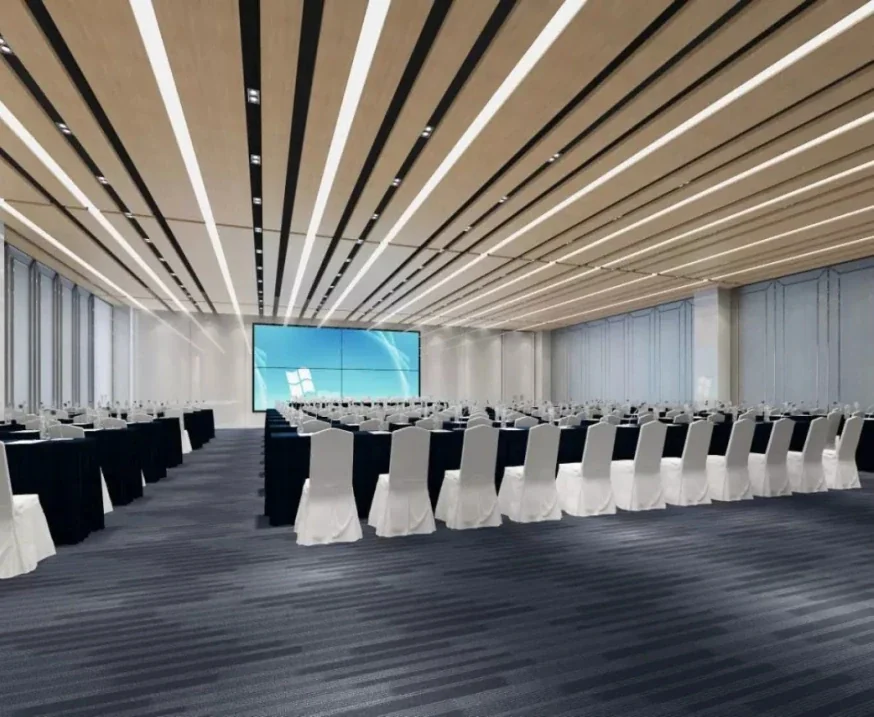
Government chambers
Discussion, voting, interpretation and a record that stands up to scrutiny.
View application design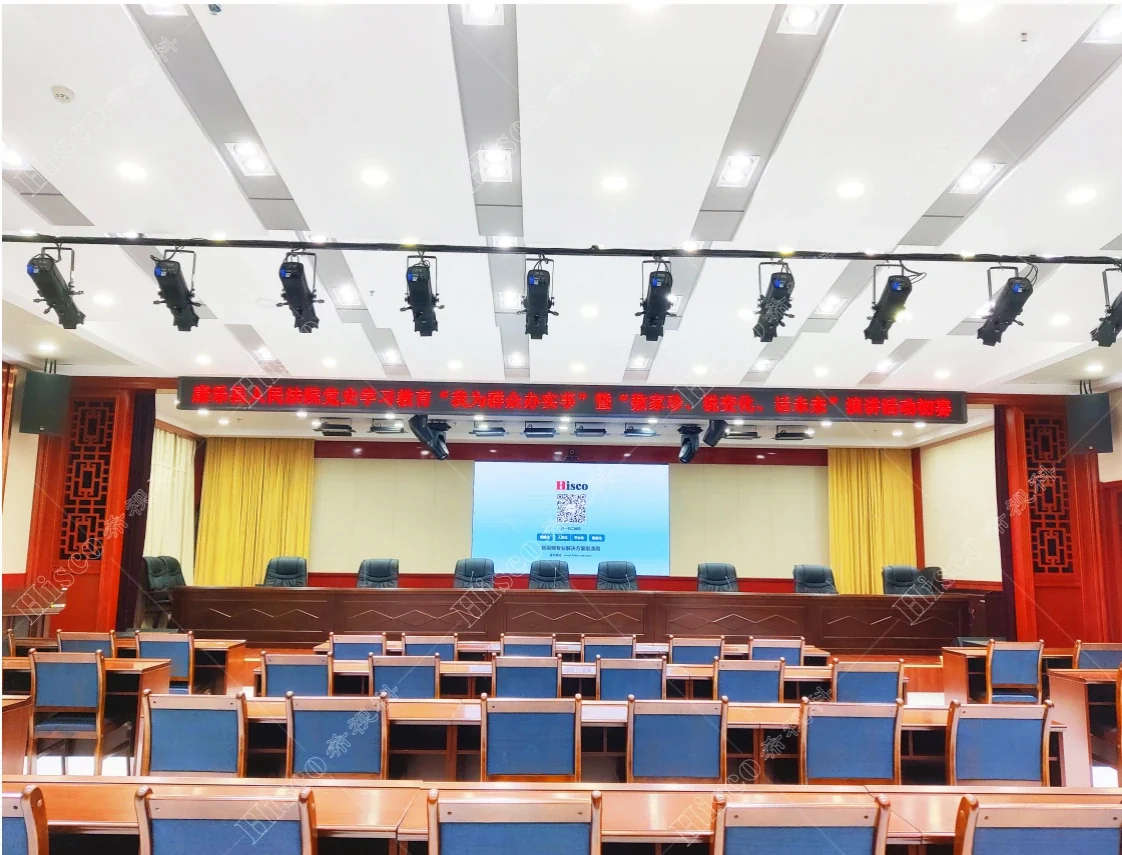
Courts & legal hearing rooms
Every word recorded, every speaker identified, every hearing intelligible.
View application design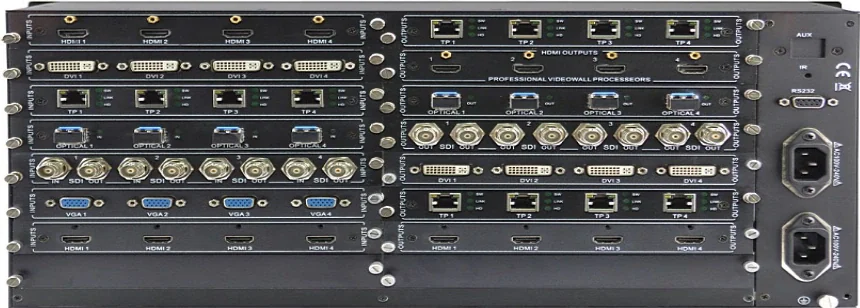
Command & control rooms
Audio that supports the operator: alerts, intercom, recording and a video wall that can be read at a glance.
View application designRelated
Build the rest of the chain
A working system is more than one family. These are the adjacent blocks that are usually specified together.
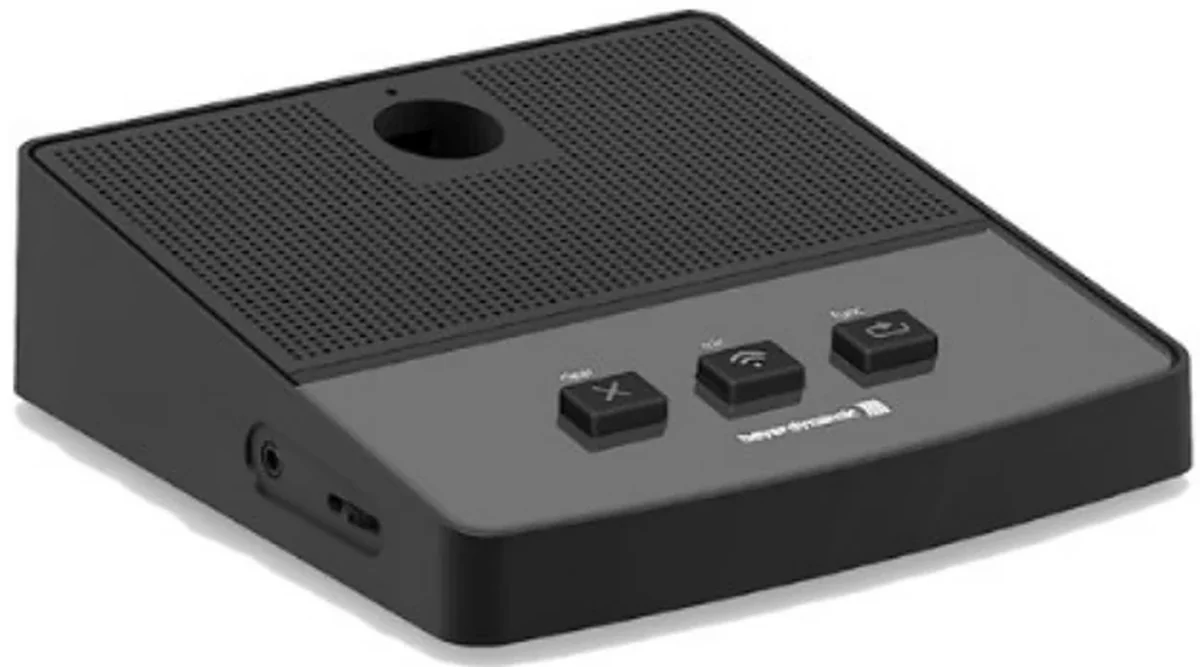 Conference line · speech
Conference microphones & discussion
Conference hosts, chairman and delegate units, gooseneck microphones, paperless terminals and discussion systems for boardrooms, councils and lecture halls.
Conference line · controlAV control & matrix switching
Control processors, touch panels, wall plates and AV matrices that switch sources, route audio and video, and set the room to a known state.
Conference line · visualConference display & projection
Projectors, projection screens, commercial displays, video walls and signal distribution for meeting rooms, boardrooms, lecture theatres and command centres.
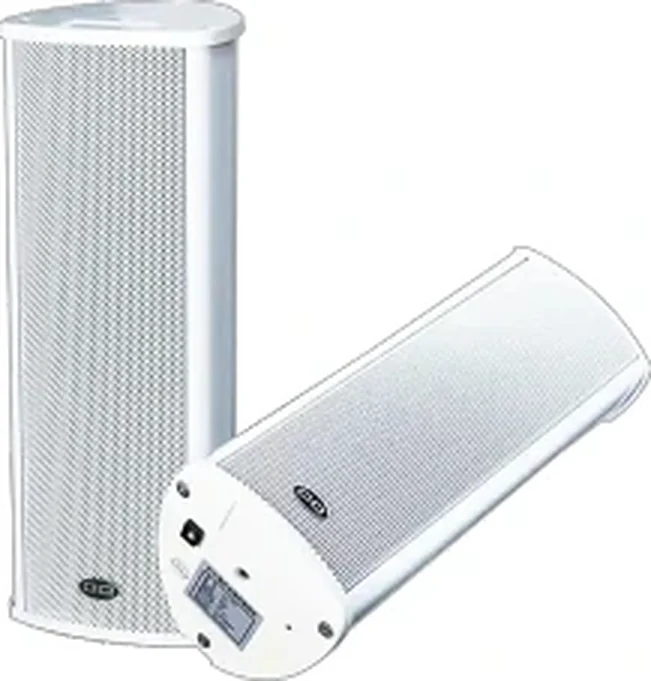 PA line · output
Ceiling, horn, column & wall loudspeakers
Ceiling, horn, column, wall and landscape loudspeakers for corridors, halls, factories, stations and outdoor areas — selected by coverage and environment, not by wattage alone.
Questions
Frequently asked questions
The questions that usually decide the scope: loudspeaker count, amplifier size, fire interface, certification and who installs the system. If your question is not here, send it with the building data.
Ask an application engineerHow many loudspeakers does a meeting room need?
It depends on the ceiling height, room length and loudspeaker coverage. A 75 m² room with a 3 m ceiling usually needs four to six ceiling loudspeakers; a 160 m² boardroom may need eight to twelve, or a column/line-array approach. The final number comes from the coverage and SPL calculation.
Do I need acoustic treatment?
If the room is highly reverberant, yes. Loudspeakers cannot fix a glass-and-marble room with a 2-second reverberation time. Acoustic panels, carpets and curtains may be needed. We flag the risk in the design and coordinate with the interior designer.
Can the video conference audio use the same loudspeakers?
Yes, if the DSP has a separate input and the gain structure is set for the codec. The codec’s echo canceller and the room’s loudspeaker layout have to be coordinated. A separate conference audio path is often cleaner.
What is the difference between 70V and 100V lines?
Both are constant-voltage distribution methods. 100V is common in public address and larger buildings; 70V is common in North America and some commercial audio systems. The choice affects the amplifier, the transformer taps and the line-loss calculation.
Can we reuse the existing ceiling speakers?
Sometimes. The existing loudspeakers must be checked for impedance, tap setting, condition and coverage. A system that was designed for paging may not meet the speech-intelligibility target for a conference room. We survey before recommending reuse.
Next step
Send the room, not the model
Tell us the building type, the zones, the ceiling height and the fire interface. We will check whether this family fits before we quote it, and show how it combines with the rest of the system in one proposal.
- Coverage and tap-load calculation
- Interface list for fire, paging and network
- Certificate scope confirmed per model
- ODM / OEM or private-label requirement
Project inquiry
Ask about Room sound
Send the room or building data once. We return one combined proposal covering PA, conference, ballroom and AV, with the equipment schedule, interface list and the questions that still need an answer. ODM and OEM inquiries are welcome. Drawings are welcome but not required.