
Application design · retrofit
Existing building retrofit PA system
New paging and evacuation in a building that cannot be opened up, closed down or filled with new cable.
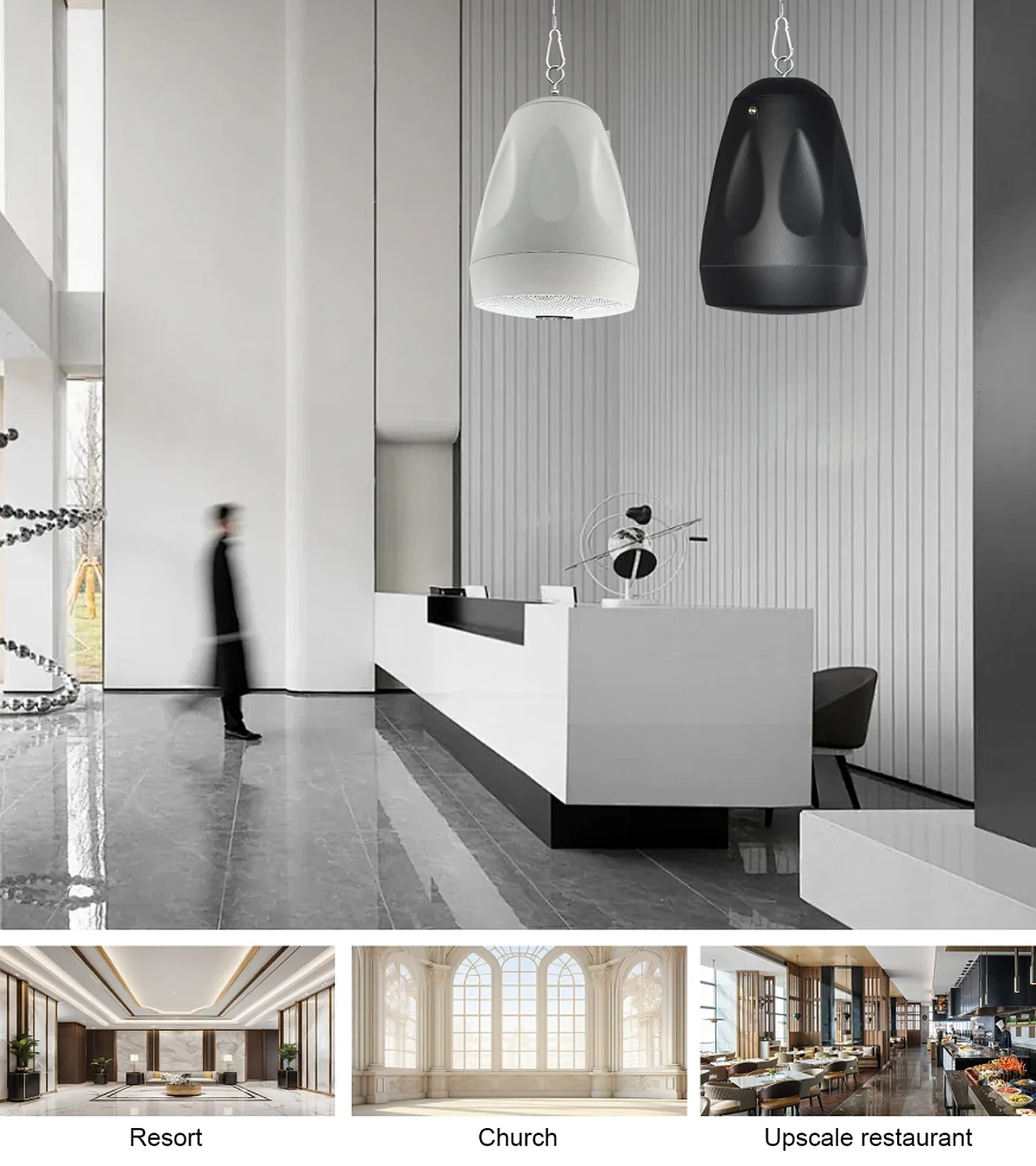
Reference application image. Client names are withheld; the equipment schedule is confirmed per project.
Survey: Mandatory · Reuse: Tested only · Phasing: Zone by zone
The design brief
What the space has to do
Most buildings that need a new PA system already have one. The cable may be old, the loudspeakers may be mismatched, and the ceiling may be sealed, heritage-listed or full of services. The retrofit design has to work with what is there without pretending that the existing infrastructure is better than it is.
We start with a survey: loudspeaker circuits, cable type and condition, existing fire interface, head-end location, power and access. Then we choose the least disruptive path: reuse the circuits where they pass, replace the head end, add surface-mounted loudspeakers where ceiling access is impossible, and phase the work around the building’s operating hours.
Design checks
| Parameter | Value | Note |
|---|---|---|
| Survey | Mandatory | cable, circuits, fire interface, access |
| Reuse | Tested only | continuity, insulation and impedance |
| Phasing | Zone by zone | temporary paging during cutover |
| Compliance | Local code | the existing fire strategy may need updating |
Interface & responsibility
What has to be agreed before installation
The acoustic design is only half the job. These interfaces decide whether the system can be installed, tested and accepted.
| Interface | Typical arrangement | Who provides | Confirm |
|---|---|---|---|
| Fire alarm interface | Hard-wired trigger per zone or group | Fire contractor / SONTRA interface design | Cause-and-effect matrix |
| Paging console | Desktop console or IP paging station | SONTRA supply / local installer | Zone access and priority |
| Network / IT | Dedicated VLAN, QoS, multicast | Client IT / integrator | Network sign-off |
| Loudspeaker circuits | 100V line per zone / riser | Local contractor / SONTRA schedule | Impedance and tap test |
What usually goes wrong
Three physical problems, not three products
Unknown cable condition
Old cable may pass a continuity test but fail an insulation or impedance test. The survey has to test, not assume.
No ceiling access
Heritage, sealed or full ceilings may rule out recessed loudspeakers. Surface-mounted column or wall loudspeakers are the alternative.
Live building
The building cannot be shut down. The work has to be phased by floor or by zone, with temporary paging during the transition.
The design response
What we change in the system
Survey first
Circuit count, cable type, loudspeaker condition, fire interface, power and access are recorded before the design is fixed.
Reuse where it passes
Existing loudspeaker circuits can be reused if they pass the tests and meet the coverage requirement. Otherwise they are replaced zone by zone.
Surface-mounted where needed
Column or wall loudspeakers avoid ceiling work in heritage or inaccessible areas. Cable trunking is planned with the interior.
Phased cutover
The head end is installed first, then zones are migrated one at a time. Temporary paging keeps the building running.
Zone schedule
A starting point for the zoning
The final zone list follows the building’s operation and fire compartments. This is the typical structure.
| Zone | Need | Typical kit |
|---|---|---|
| Public areas | Paging and evacuation during works | Temporary / retained loudspeakers |
| Heritage or sealed ceilings | No recessed access | Surface-mounted column or wall loudspeakers |
| Back-of-house | Paging and staff announcements | Existing circuits reused where tested |
| Plant and car park | High-noise paging | Horn loudspeakers, new circuits |
Equipment families
The blocks used in this design
These are the families that usually make up the system. The final model list follows the zone schedule and the certification route.
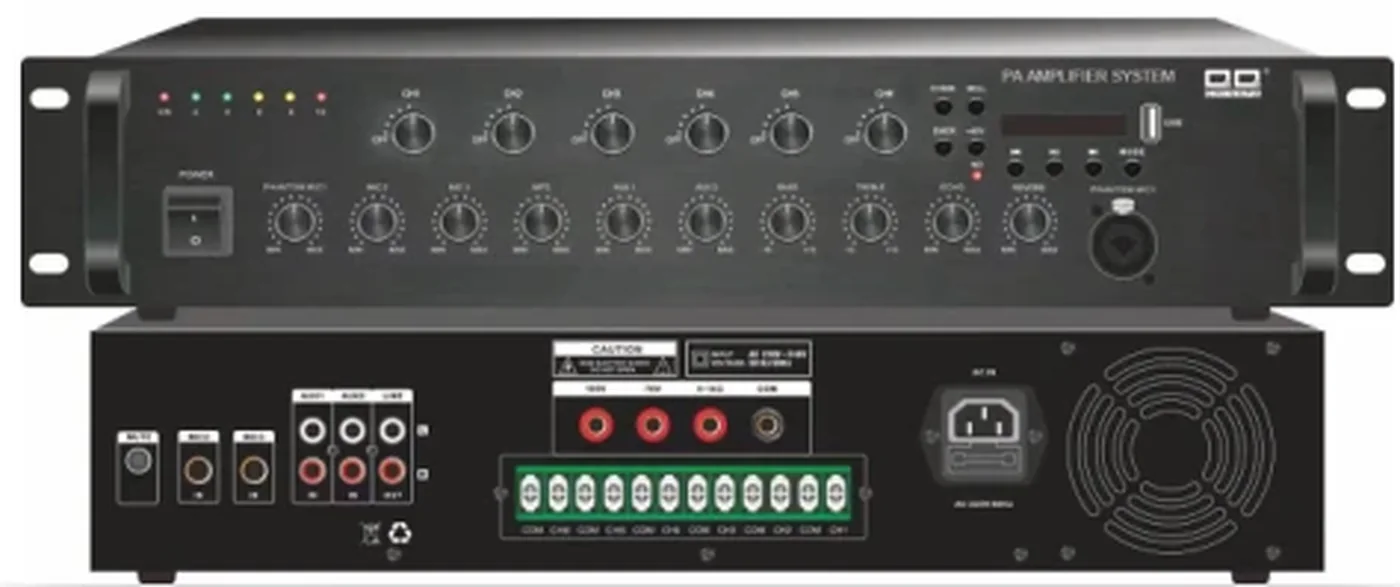 PA line · core
Broadcast control & amplifiers
Broadcast hosts, zone controllers, mixer amplifiers and IP amplifiers for background music, paging and emergency override — specified as one signal chain.
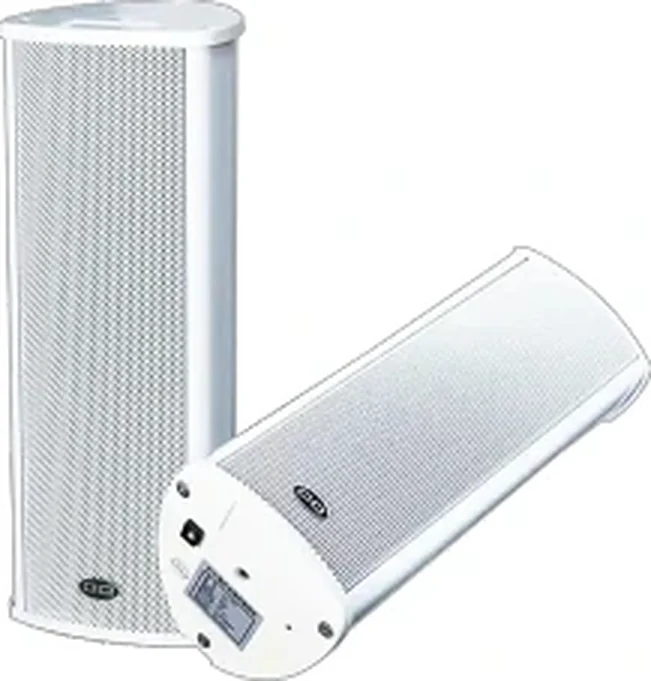 PA line · output
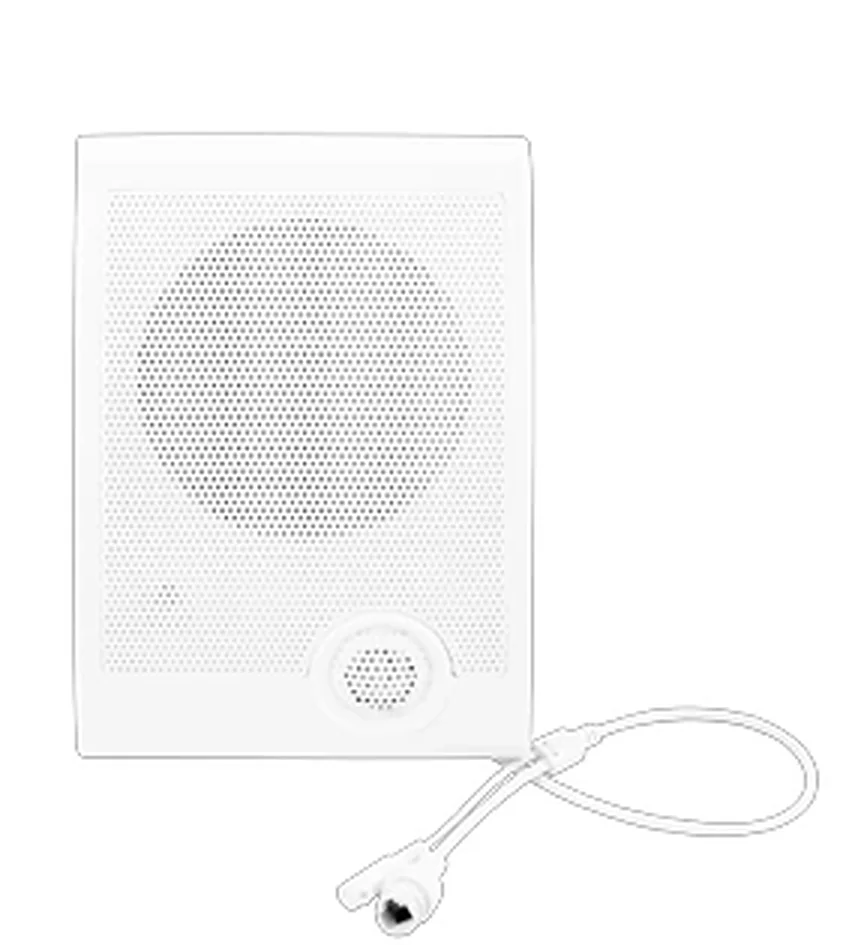
Ceiling, horn, column & wall loudspeakers
Ceiling, horn, column, wall and landscape loudspeakers for corridors, halls, factories, stations and outdoor areas — selected by coverage and environment, not by wattage alone.
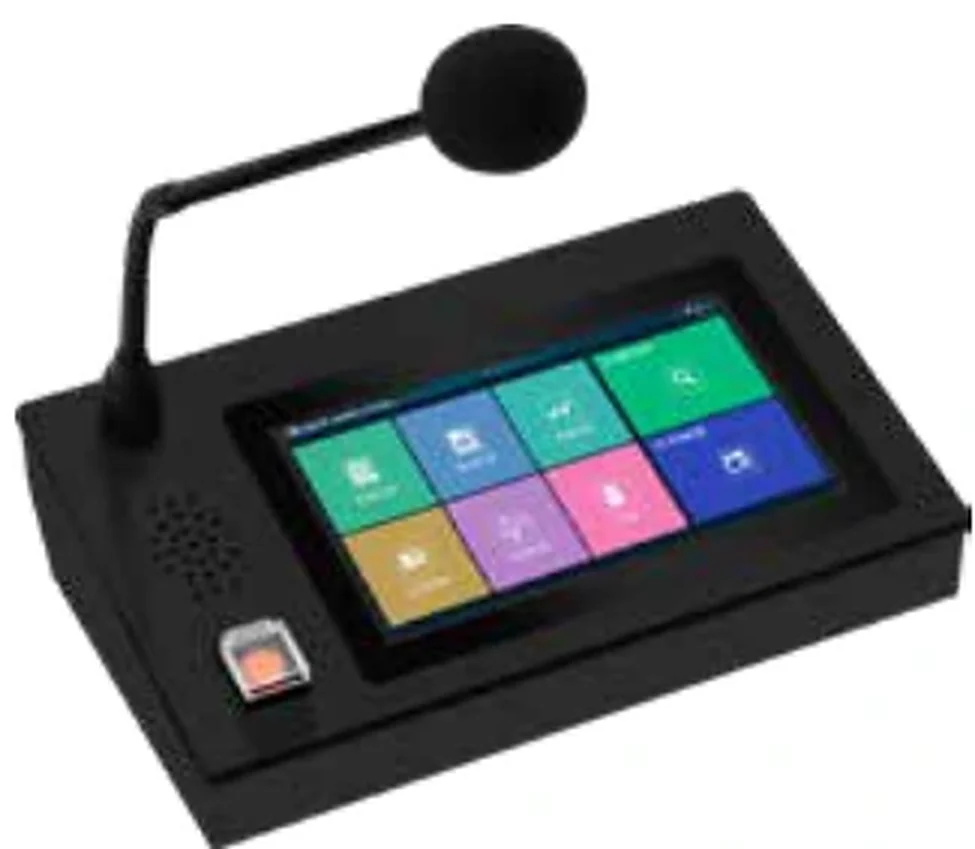 PA line · control
Zone paging & paging consoles
Desktop paging consoles, remote paging stations, zone selectors and timed message players for schools, hospitals, stations and commercial buildings.
 PA line · networked
IP network audio
IP audio terminals, network amplifiers, paging consoles and cloud or local management for campuses, towers and distributed sites.
Related applications
Adjacent spaces, different rules
Offices & commercial buildings
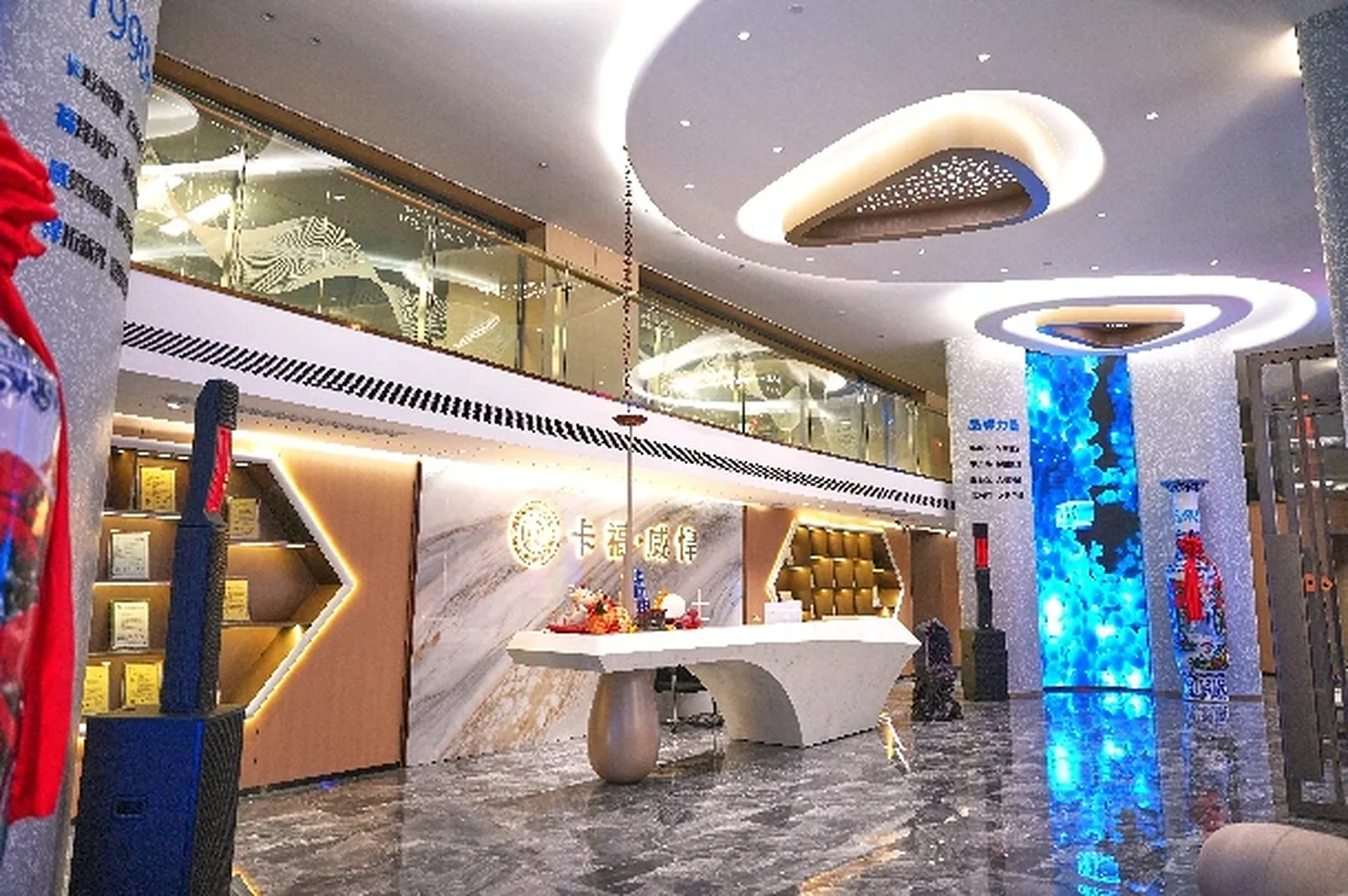
Background music, floor paging and evacuation in a building that has to feel calm every day and work under pressure once.
View application design
Schools & campuses
One bell, one paging system and one evacuation path across classrooms, corridors, playgrounds and canteens.
View application design
Hospitals & healthcare
Patient announcements, staff paging and evacuation in one system, with the privacy and zoning a hospital actually needs.
View application designQuestions
Frequently asked questions
The questions that usually decide the scope: loudspeaker count, amplifier size, fire interface, certification and who installs the system. If your question is not here, send it with the building data.
Ask an application engineerCan I reuse the existing loudspeakers?
Sometimes. The loudspeakers must be tested for impedance, tap setting, condition and coverage. A loudspeaker that works may still be the wrong type or tap for the new design. We survey before recommending reuse.
Can the system be installed without closing the building?
Yes, with phased work. The head end is installed first, then zones are migrated one at a time. Temporary paging is provided for the areas under work. The phasing plan is agreed with the building operator.
What if the ceiling cannot be opened?
Use surface-mounted column or wall loudspeakers. They can be more effective than recessed loudspeakers in a reverberant room, and they avoid ceiling work. Cable trunking is planned with the interior designer.
Does the fire alarm need to be upgraded too?
The fire-alarm interface and the evacuation strategy must be reviewed as part of the retrofit. If the building’s fire strategy changes, the PA system may need additional zones, monitoring or battery autonomy. The fire engineer confirms the requirement.
Next step
Send the room data once
A sketch, a room schedule or a drawing link is enough to start. This application can be supplied as a complete package: own-factory equipment, full system configuration and one combined proposal covering the adjacent rooms or systems.
- Room sizes, ceiling height and finishes
- Seat, table or zone count
- Fire interface and applicable standard
- Any ODM / OEM or private-label requirement
Project inquiry
Discuss Existing building retrofit
Send the room or building data once. We return one combined proposal covering PA, conference, ballroom and AV, with the equipment schedule, interface list and the questions that still need an answer. ODM and OEM inquiries are welcome. Drawings are welcome but not required.