
Application design · transport
Airports, stations & transit PA system
Long concourses, hard surfaces and constant background noise — announcements that stay intelligible at the farthest gate.
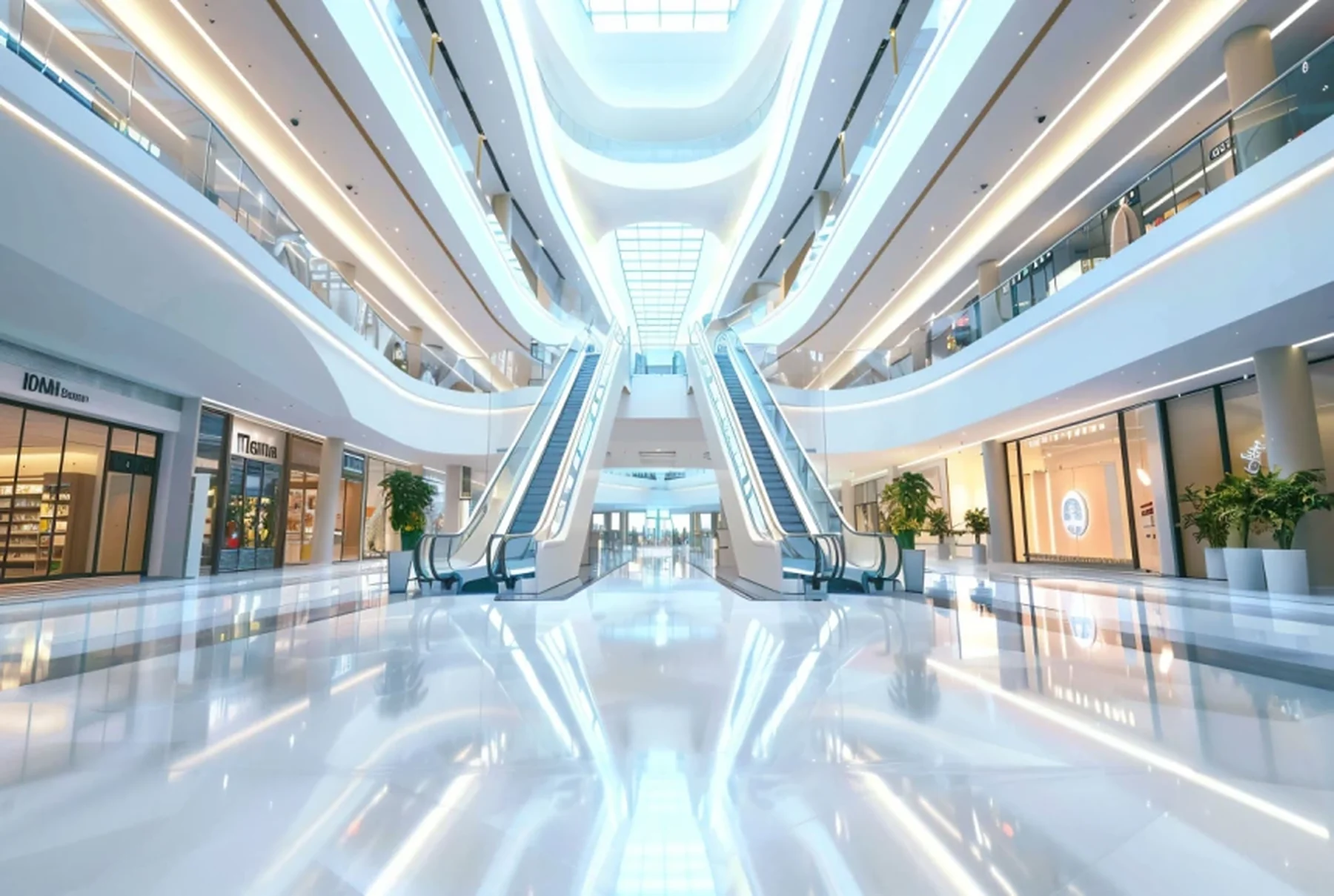
Reference application image. Client names are withheld; the equipment schedule is confirmed per project.
Intelligibility: STI target · Coverage: Distributed · Emergency level: +15 dB
The design brief
What the space has to do
Transport buildings are the hardest public-address environment. The distance is long, the surfaces are hard, the background noise is high and the message is time-critical. A passenger who misses a gate change because the announcement was unintelligible is a real operational failure.
The design uses distributed loudspeaker zones along the concourse, delay to keep the sound image local, and directional loudspeakers in reverberant areas. The paging console is designed for rapid, repetitive announcements: pre-recorded messages, zone groups and a clear live microphone. The fire evacuation is a separate priority layer.
Design checks
| Parameter | Value | Note |
|---|---|---|
| Intelligibility | STI target | agreed with the terminal operator |
| Coverage | Distributed | no single central cluster for long concourses |
| Emergency level | +15 dB | above the local ambient noise |
| Line | 100V | long runs with low loss |
Interface & responsibility
What has to be agreed before installation
The acoustic design is only half the job. These interfaces decide whether the system can be installed, tested and accepted.
| Interface | Typical arrangement | Who provides | Confirm |
|---|---|---|---|
| Fire alarm interface | Hard-wired trigger per zone or group | Fire contractor / SONTRA interface design | Cause-and-effect matrix |
| Paging console | Desktop console or IP paging station | SONTRA supply / local installer | Zone access and priority |
| Network / IT | Dedicated VLAN, QoS, multicast | Client IT / integrator | Network sign-off |
| Loudspeaker circuits | 100V line per zone / riser | Local contractor / SONTRA schedule | Impedance and tap test |
What usually goes wrong
Three physical problems, not three products
Long distances
A single central cluster cannot cover a 300 m concourse. Distributed zones and delay are required to keep the level and the image consistent.
Reverberation
Glass, stone and steel reflect sound. Directional loudspeakers and shorter throw distances improve intelligibility.
High ambient noise
Aircraft, crowds and HVAC raise the noise floor. The design target is speech intelligibility, not just SPL.
The design response
What we change in the system
Zone by passenger flow
Check-in, security, departure lounge, gates, baggage hall and transport links are separate zones. The operator can call one gate or the whole terminal.
Distributed loudspeakers
Ceiling or column loudspeakers along the concourse, with delay to keep the sound arriving from the nearest group.
Pre-recorded messages
Gate changes, boarding calls and safety messages are stored and triggered from the console. The operator can add a live announcement over the top.
Fire and emergency priority
The fire alarm overrides all announcements. The evacuation message follows the terminal’s emergency procedure and the fire strategy.
Zone schedule
A starting point for the zoning
The final zone list follows the building’s operation and fire compartments. This is the typical structure.
| Zone | Need | Typical kit |
|---|---|---|
| Check-in and departure | General announcements, flight calls | Ceiling loudspeakers, distributed zones |
| Gates and concourse | Gate calls, intelligibility at distance | Column / ceiling loudspeakers, delay |
| Baggage hall | Belt announcements over noise | Horn or ceiling loudspeakers, high taps |
| Transport links | Outdoor and sheltered paging | Weather-rated loudspeakers, separate zones |
Equipment families
The blocks used in this design
These are the families that usually make up the system. The final model list follows the zone schedule and the certification route.
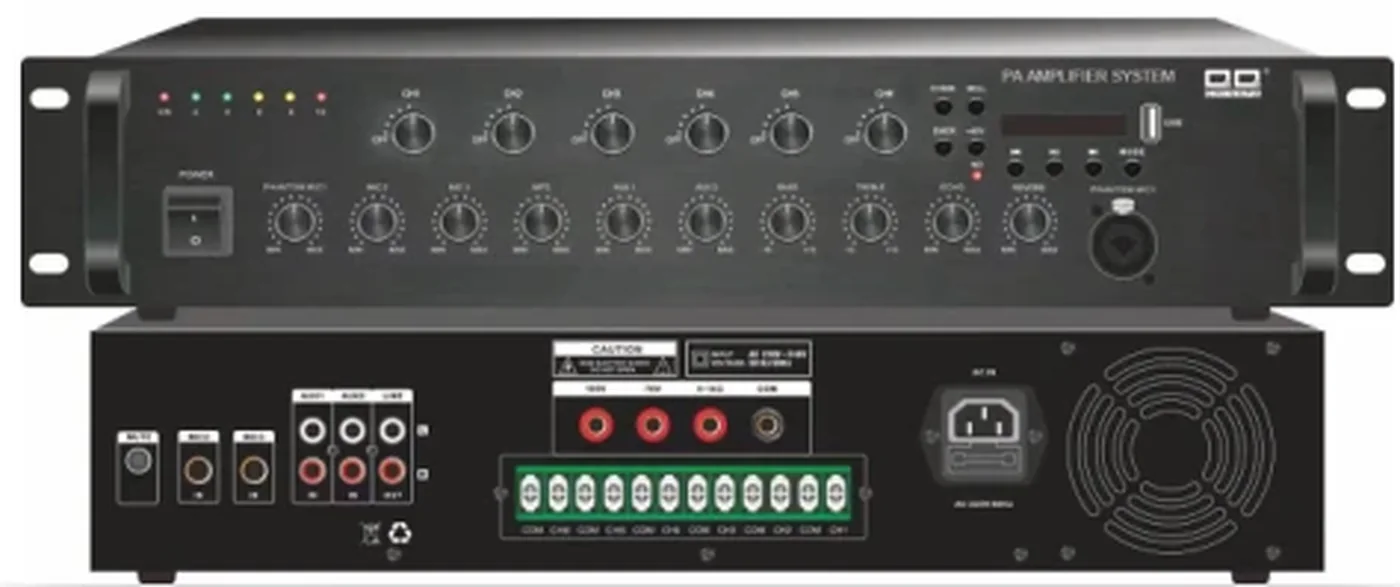 PA line · core
Broadcast control & amplifiers
Broadcast hosts, zone controllers, mixer amplifiers and IP amplifiers for background music, paging and emergency override — specified as one signal chain.
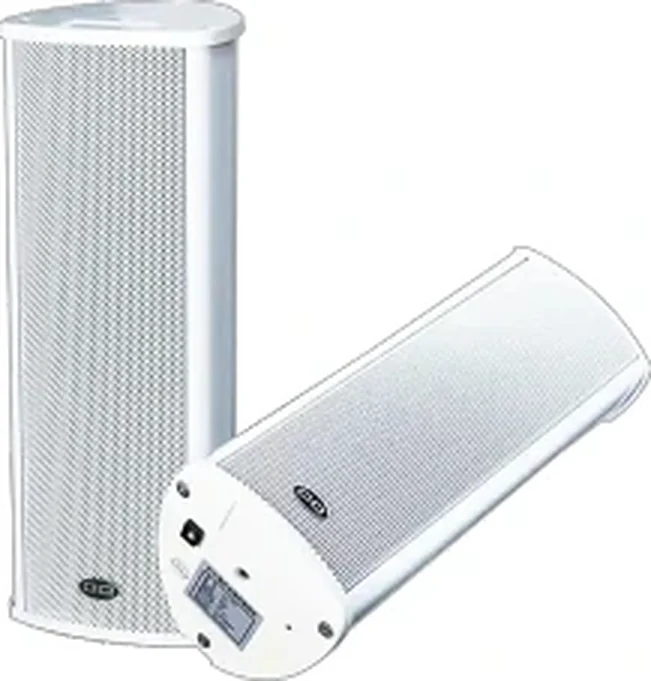 PA line · output
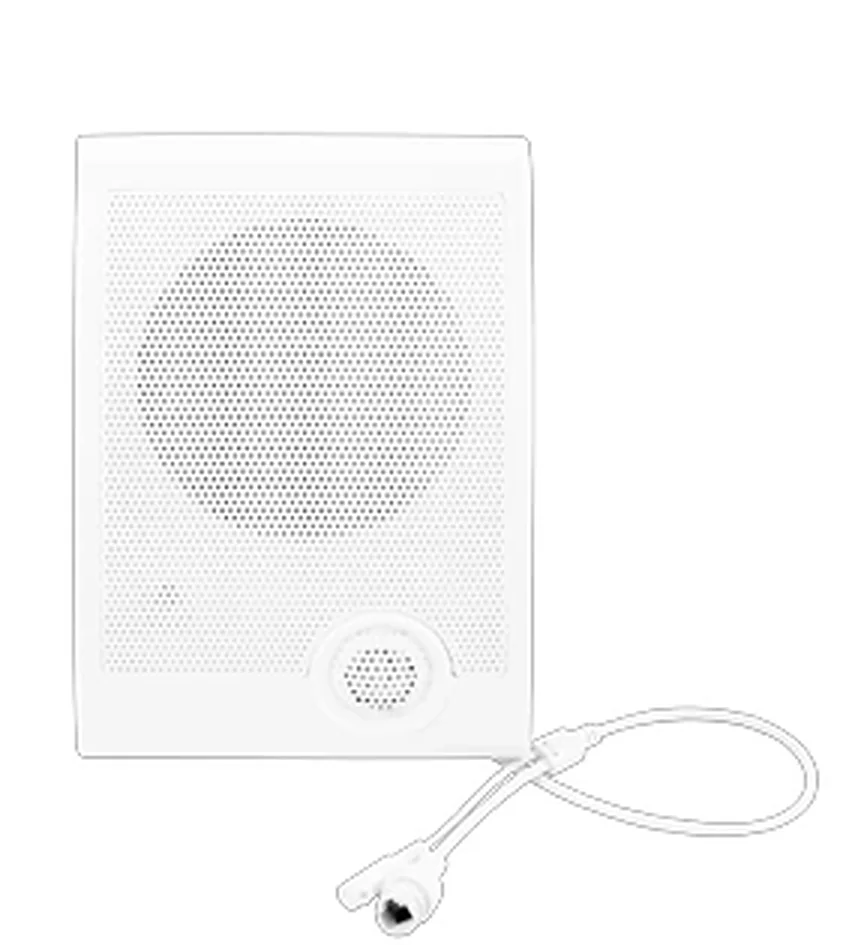
Ceiling, horn, column & wall loudspeakers
Ceiling, horn, column, wall and landscape loudspeakers for corridors, halls, factories, stations and outdoor areas — selected by coverage and environment, not by wattage alone.
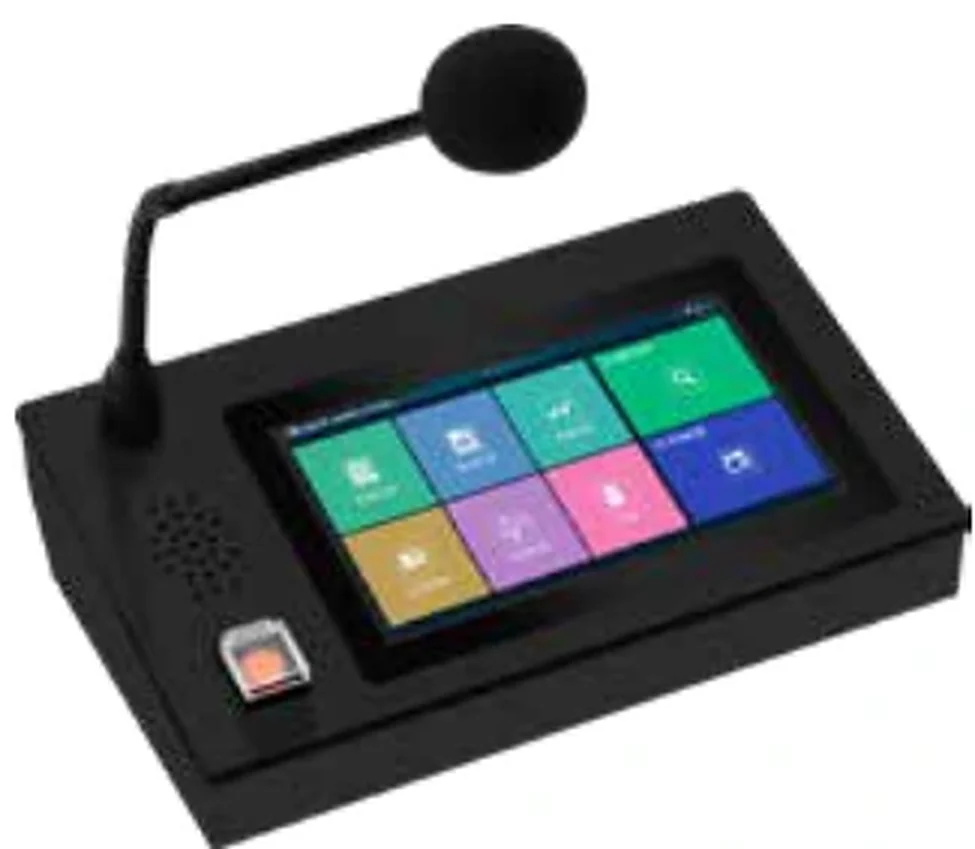 PA line · control
Zone paging & paging consoles
Desktop paging consoles, remote paging stations, zone selectors and timed message players for schools, hospitals, stations and commercial buildings.
 PA line · networked
IP network audio
IP audio terminals, network amplifiers, paging consoles and cloud or local management for campuses, towers and distributed sites.
Related applications
Adjacent spaces, different rules
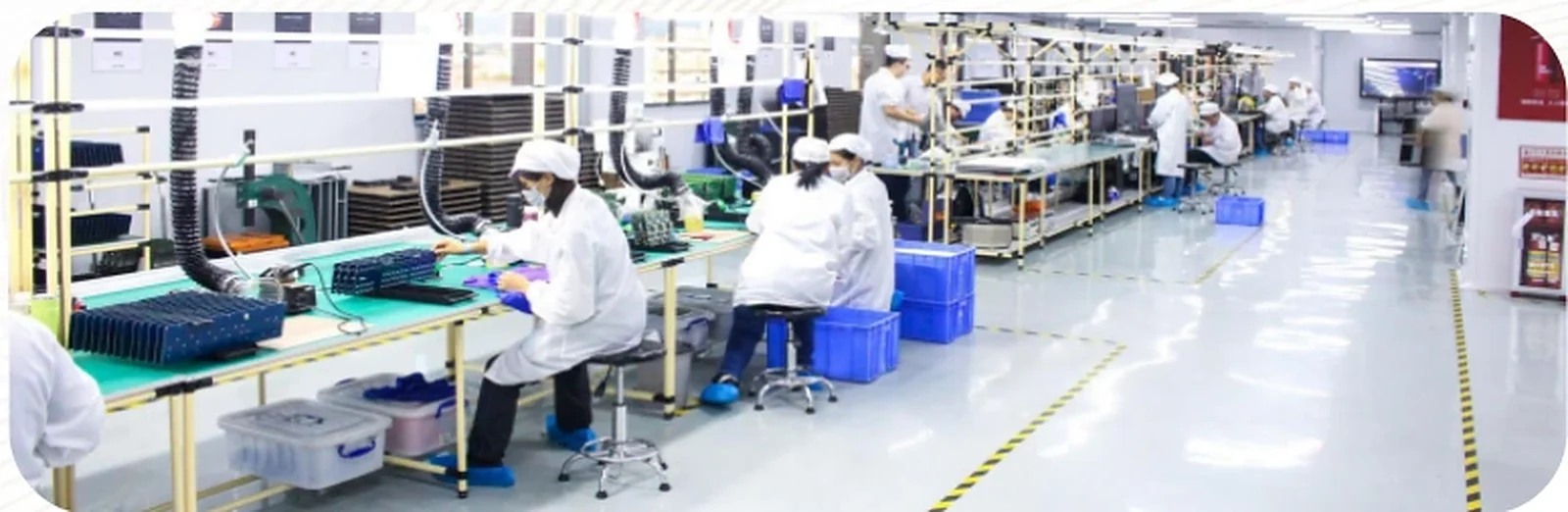
Factories & industrial sites
Announcements that cut through machinery noise, indoors and across the yard, without becoming a hazard.
View application design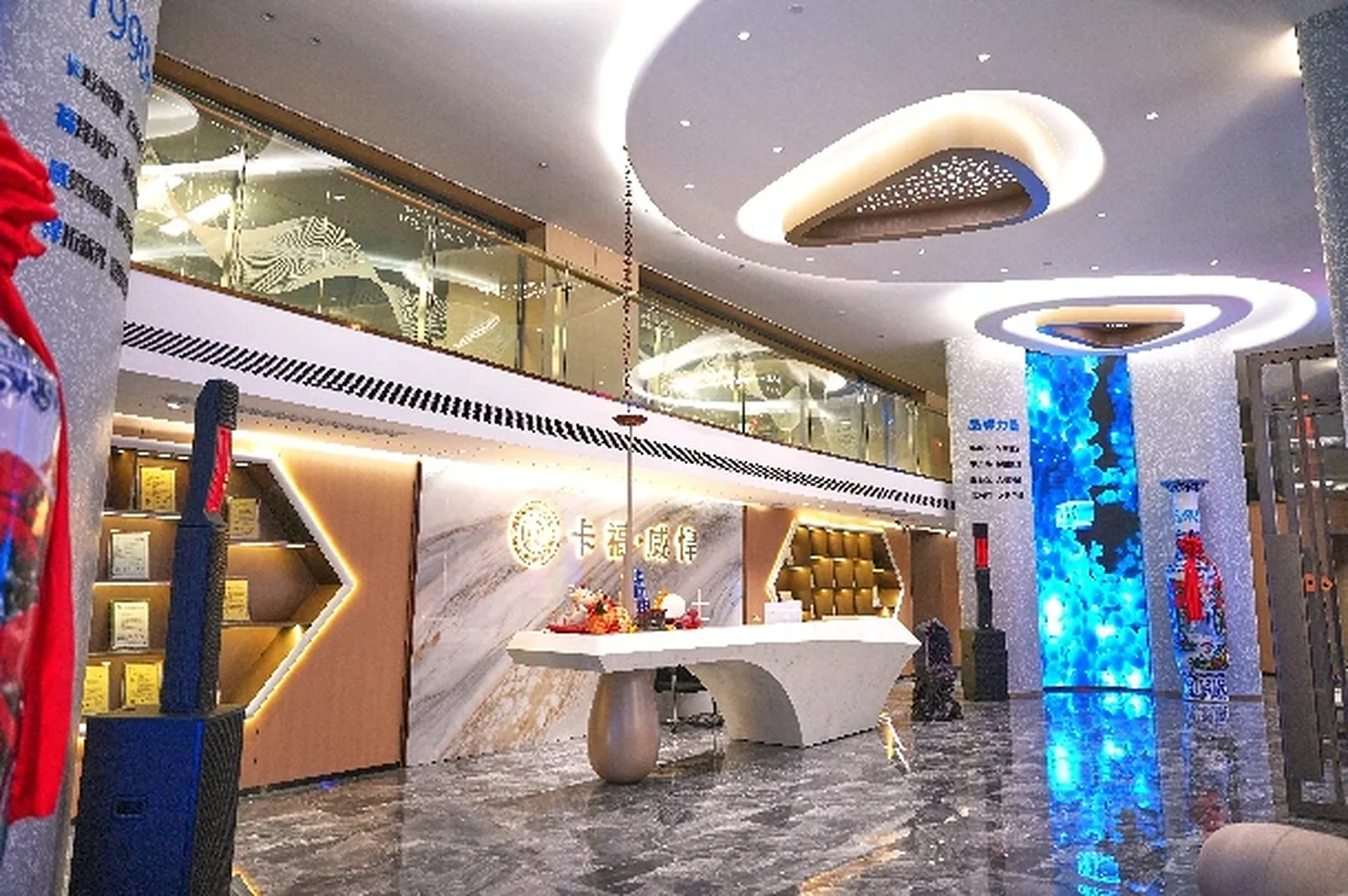
Offices & commercial buildings
Background music, floor paging and evacuation in a building that has to feel calm every day and work under pressure once.
View application design
Hospitals & healthcare
Patient announcements, staff paging and evacuation in one system, with the privacy and zoning a hospital actually needs.
View application designQuestions
Frequently asked questions
The questions that usually decide the scope: loudspeaker count, amplifier size, fire interface, certification and who installs the system. If your question is not here, send it with the building data.
Ask an application engineerHow do you keep announcements intelligible in a glass concourse?
Use directional loudspeakers close to the listeners, distributed zones and delay. Reduce the distance between the loudspeaker and the ear rather than increasing the power. Acoustic treatment is often impractical, so the design works with the architecture.
Can the system handle pre-recorded and live announcements?
Yes. The head end stores the pre-recorded messages and lets the operator add a live announcement. The priority and ducking behaviour are configured for the terminal’s procedure.
How many zones does a terminal need?
It depends on the size and the operating model. A small regional terminal may use 8–12 zones; a large international terminal may use dozens. The zone schedule follows the passenger flow, the fire compartments and the operational groups.
Can the PA system integrate with flight information?
Where the airport operator requires it, the PA system can be triggered by the flight-information system through a software interface. The integration is specified by the airport’s IT and operations teams.
Next step
Send the room data once
A sketch, a room schedule or a drawing link is enough to start. This application can be supplied as a complete package: own-factory equipment, full system configuration and one combined proposal covering the adjacent rooms or systems.
- Room sizes, ceiling height and finishes
- Seat, table or zone count
- Fire interface and applicable standard
- Any ODM / OEM or private-label requirement
Project inquiry
Discuss Airports, stations & transit
Send the room or building data once. We return one combined proposal covering PA, conference, ballroom and AV, with the equipment schedule, interface list and the questions that still need an answer. ODM and OEM inquiries are welcome. Drawings are welcome but not required.