
Technical note · voice alarm
Voice alarm and PAVA systems: EN 54 checks before the quote

A voice alarm system is the part of the audio system that has to work when everything else fails. It carries the evacuation message, it is monitored, and it is accepted by the fire authority.
This note explains the difference between a music PA and a voice alarm or PAVA system, and the checks that decide whether a product can be offered.
What is a voice alarm system?
A voice alarm system includes a voice alarm controller, a fire interface, monitored loudspeaker circuits, emergency messages and a power supply with backup. It may share loudspeakers with the PA system, but the evacuation path must be independent.
The system is part of the fire strategy. The fire detection and the cause-and-effect come from the fire system; the voice alarm delivers the message.
How does PAVA differ from a music PA?
A music PA is designed for background music and paging. A PAVA system is designed for voice alarm and evacuation, with monitoring and a defined failure mode.
The difference is not the loudspeaker brand. It is the controller, the monitoring, the priority and the documentation. A music mixer with a fire contact is not a voice alarm system.
What do EN 54-16 and EN 54-24 cover?
EN 54-16 covers the voice alarm control and indicating equipment. EN 54-24 covers loudspeakers for fire alarm and voice alarm systems. Both are model-specific and scope-specific.
Do not describe a product as certified because it is “EN 54 ready”. Confirm the certificate, the model and the scope with the accepting authority.
How should zoning and cause-and-effect be set?
The evacuation zones must match the fire compartments and the building’s evacuation strategy. A phased evacuation may need different messages in different zones.
The cause-and-effect matrix should list every trigger, every zone and every loudspeaker circuit. The fire consultant and the accepting authority should approve it before commissioning.
How are voice alarm circuits monitored?
Voice alarm circuits are monitored for open and short circuits. The monitoring method, the fault reporting and the backup power must be part of the design.
A shared PA/VA loudspeaker circuit must still meet the voice alarm requirements for level, intelligibility and monitoring. Some authorities require dedicated circuits or loudspeakers.
What evacuation message strategy is required?
The message must be intelligible, preceded by an alert tone and repeated as required by the local code. The language and the message content may need local approval.
Test the message in the actual room with the actual background noise. A message that is clear in the office may be unintelligible in the factory.
What should the compliance checklist include?
Use the checklist to separate what the product claims from what the project can accept.
Voice alarm checks
| Item | What to confirm |
|---|---|
| Controller | EN 54-16 certificate and scope |
| Loudspeaker | EN 54-24 certificate and model |
| Circuits | Monitoring and fault reporting |
| Backup | Battery and failure mode |
| Zoning | Fire compartments and messages |
| Acceptance | Local authority and test procedure |
What should you send for a quotation?
Send the fire strategy, the zone list, the ceiling heights, the loudspeaker schedule and the accepting authority’s requirements. Add the fire alarm model and the interface type.
We will confirm the certificate scope and the system architecture before quoting. A voice alarm quotation without the acceptance route is incomplete.
Voice alarm is a compliance system, not a louder PA. Confirm the standard, the certificate scope and the acceptance route before the equipment list is fixed.
Related products
Product families related to this note
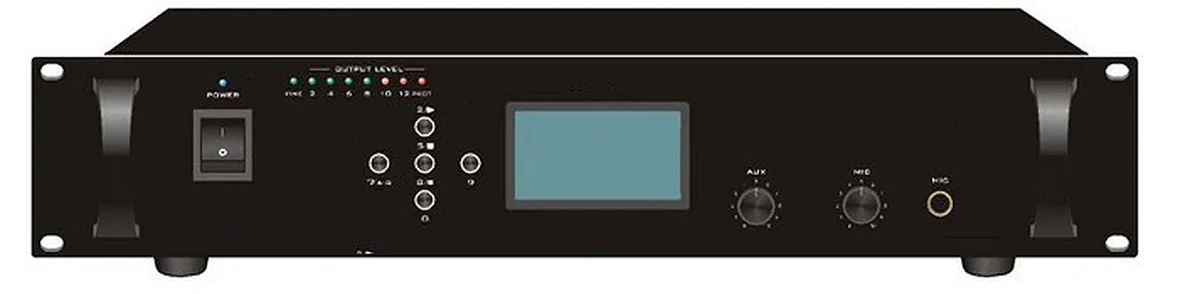 PA line · life safety
Voice alarm & fire interface
Voice-alarm control, evacuation messages, fire-alarm interfaces and monitored loudspeaker circuits — specified to the standard the project actually has to meet.
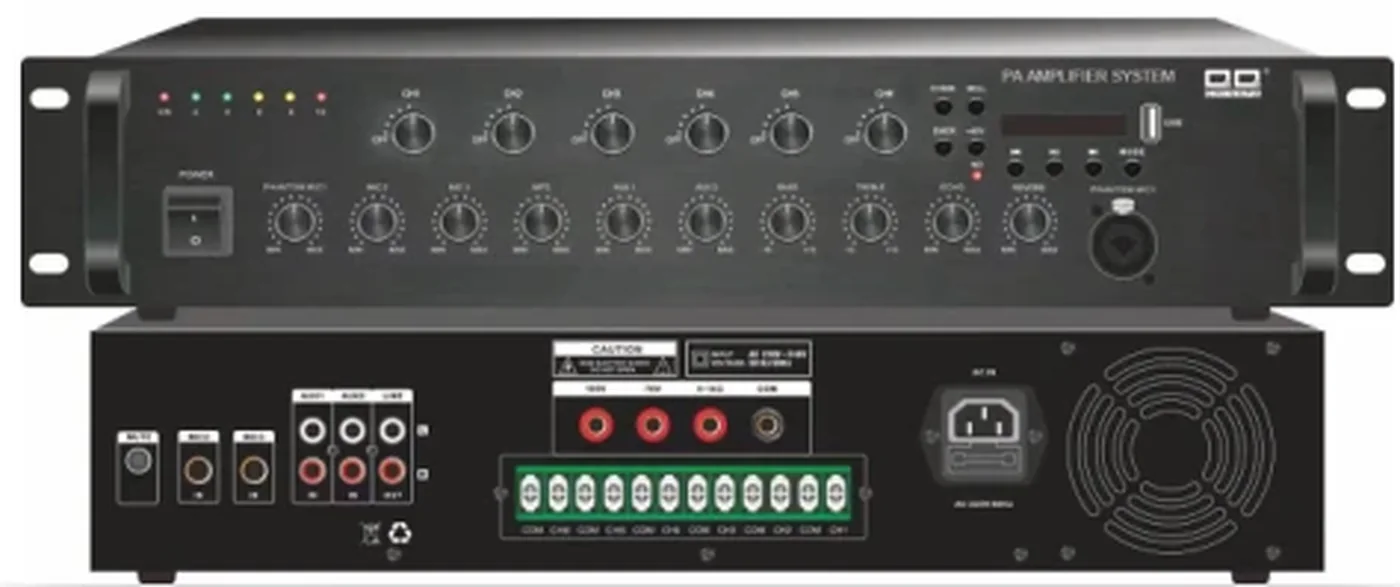 PA line · core
Broadcast control & amplifiers
Broadcast hosts, zone controllers, mixer amplifiers and IP amplifiers for background music, paging and emergency override — specified as one signal chain.
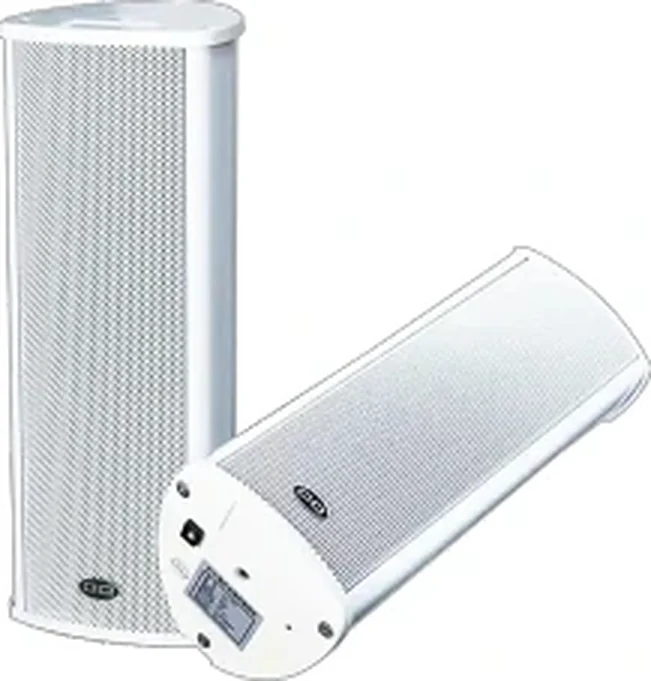 PA line · output
Ceiling, horn, column & wall loudspeakers
Ceiling, horn, column, wall and landscape loudspeakers for corridors, halls, factories, stations and outdoor areas — selected by coverage and environment, not by wattage alone.
Frequently asked questions
Frequently asked questions
What is the difference between PA and PAVA?
Is EN 54-16 required in every market?
Can the voice alarm share loudspeakers with the PA system?
What is a cause-and-effect matrix?
How long should the backup power last?
What should a voice alarm quotation include?
Related pages