
Mosques
Prayer hall, courtyard and call-to-prayer coverage.
Market guide · Saudi Arabia
A large, specification-led market with mosques, hotels, government buildings and giga-projects — where standards, local content and documentation decide the award.
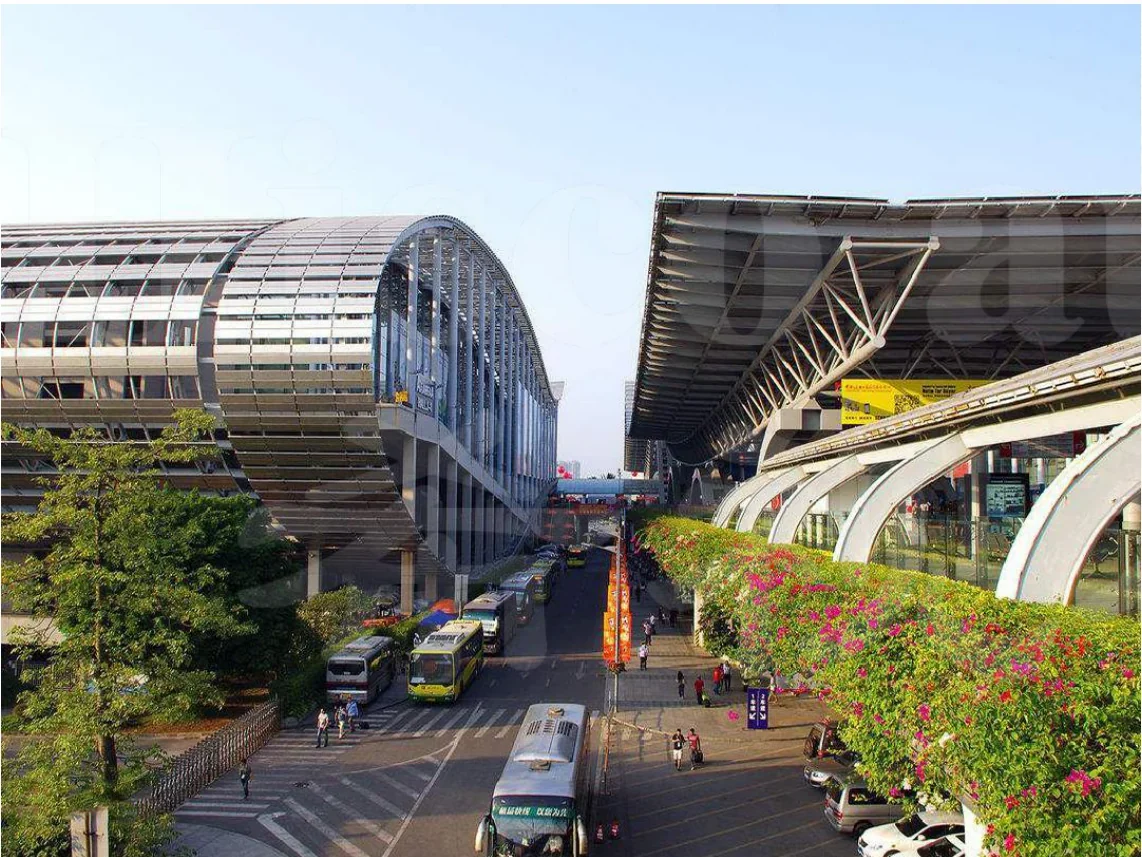
Reference image. Local requirements are confirmed per project.
Market context
Saudi Arabia is a specification-led market. Government projects, religious buildings, hotels and large developments are procured through consultants and main contractors, with formal submittals and acceptance testing. The documentation burden is high, and the local partner is essential.
Mosques, hotels, hospitals, universities, sports venues and government buildings are the main building types. Fire and life-safety requirements are strict. Arabic documentation and operator labels are often required, even when the technical submittal is in English.
Power is 230 V / 60 Hz. The 60 Hz frequency is unusual and must be checked for frequency-sensitive equipment. Most modern audio equipment is 50/60 Hz, but the confirmation is part of the technical review.
Project types
Prayer hall, courtyard and call-to-prayer coverage.
Public areas, ballrooms, conference rooms and outdoor audio.
Chambers, command centres, public address and evacuation.
Lecture halls, paging, bells and clinical audio.
Procurement notes
These are the items that change the price, the documents or the installation method.
Confirm the accepted standard (EN 54, NFPA or a local code) and the certificate scope before the submittal.
Local content and local partner requirements may apply. Confirm with the main contractor before quoting.
Operator labels, training and O&M summaries may need Arabic. The technical submittal is usually English.
Check frequency-sensitive equipment. Most modern switch-mode supplies accept 50/60 Hz, but confirm before the order.
Project roles
A market guide is only useful if it names the parties. These are the usual roles; the split is confirmed for each project.
| Role | Typical responsibility | What to confirm |
|---|---|---|
| Owner / operator | Sets the budget, operating hours and acceptance criteria. | Decision maker and payment route |
| Consultant / designer | Writes the specification, the zoning concept and the submittal format. | Standard, equivalents and sample approval |
| Main contractor | Coordinates trades, site access and the construction programme. | Interface with electrical and ceiling works |
| ELV / AV integrator | Installs and configures the audio, network and control systems. | Scope split and commissioning responsibility |
| Local licensed installer | Carries out statutory electrical work and local acceptance. | Licence, insurance and warranty route |
| Authority having jurisdiction | Accepts the fire interface and the evacuation system. | Witness test and cause-and-effect matrix |
Document pack
These documents are usually requested by the importer, the consultant or the authority. Prepare them once and reuse them across projects.
System building blocks
Most building-audio projects combine these blocks. The final model list follows the zone schedule and the certification route.
| Block | What it includes | What to confirm |
|---|---|---|
| PA head end and amplification | Host, zone matrix, mixer or IP amplifiers, fire interface | Zone count, tap load, amplifier reserve |
| Loudspeakers and coverage | Ceiling, wall, column and horn loudspeakers; 100 V line | Ceiling height, spacing, 15 m / 8 m rules |
| Conference and AV | Conference microphones, room sound, control and display | Seat count, microphone count, display size |
| Ballroom and event sound | Line array, subwoofer, stage monitor, wireless microphones | Room volume, stage layout, presets |
Handover
A system is not finished when it makes sound. These records make it maintainable and auditable.
Next step
We will confirm the destination requirements, the documents and the equipment route before the quote.
View all market guidesProject inquiry
Send the room or building data once. We return one combined proposal covering PA, conference, ballroom and AV, with the equipment schedule, interface list and the questions that still need an answer. ODM and OEM inquiries are welcome. Drawings are welcome but not required.
Questions
The questions that usually decide the scope: loudspeaker count, amplifier size, fire interface, certification and who installs the system. If your question is not here, send it with the building data.
Ask an application engineerMost modern audio equipment is 50/60 Hz. Motors, older transformers and some mechanical equipment are frequency-sensitive. We confirm the input rating for each model before quoting.
The project specification and the civil defence authority determine the standard. EN 54 and NFPA are both referenced in the region. Confirm the accepted standard and the certificate scope before the submittal.
The technical submittal is in English. Operator labels, training material and O&M summaries can be translated into Arabic on request. The exact scope is agreed with the local partner.
We can supply equipment and design support to the appointed contractor. The project’s consultant, main contractor and local partner remain the contracting chain. We do not bid directly to the client for construction scope.
Prepare the invoice, packing list, certificate of origin, datasheets, installation manuals and the certificate scope for the offered models. The importer or customs broker confirms the final list for the destination.
Installation and statutory acceptance are normally carried out by the local licensed contractor. We provide the design, equipment, commissioning checklist and remote support; the split is confirmed in the quotation.
One brief, one combined proposal
Tell us the building type, zones, room sizes, ceiling height, seat or table count, fire interface and any ODM/OEM requirement. Our own factory and system team return one combined proposal: equipment schedule, interface list and open questions.
Reply within 48 hours · drawings welcome · no obligation