
Technical note · public address
Mixer amplifier selection: power, zones and headroom
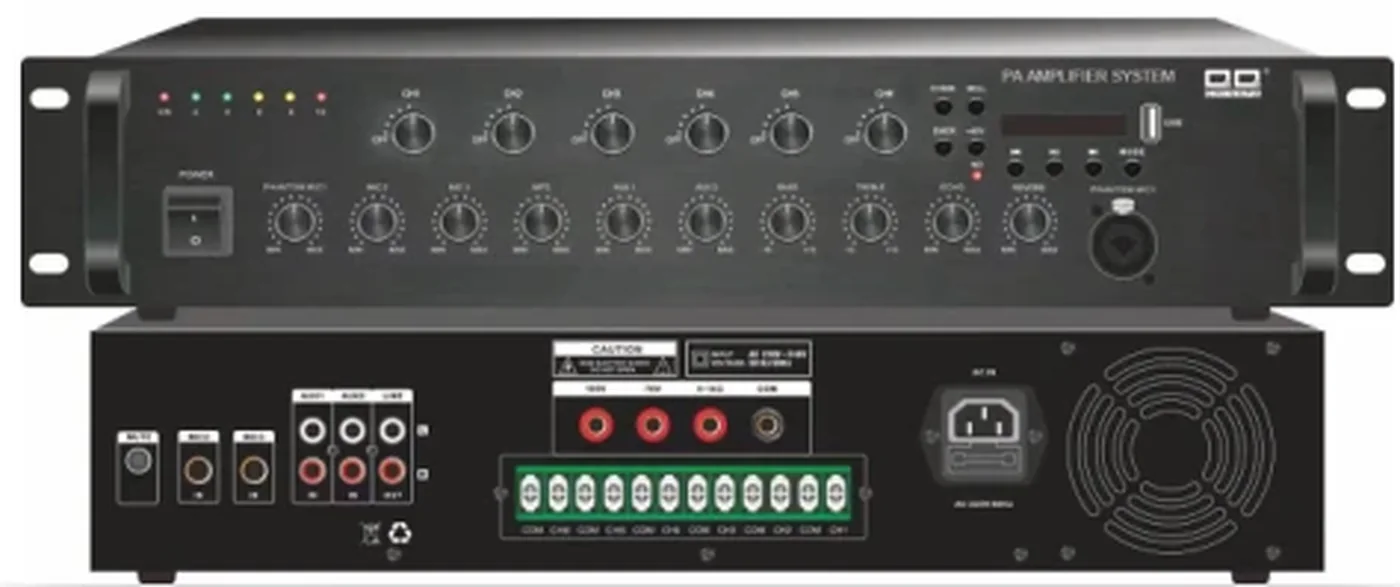
A mixer amplifier is the head end of a small or medium PA system. It mixes the sources, provides the paging input and drives the 100V line. The selection looks simple until the zone count and the tap load are added.
This note explains the four numbers that decide the model: zones, connected load, headroom and priority.
What does a mixer amplifier do?
A mixer amplifier combines source selection, preamplification, zone routing and power amplification in one chassis. It may include a paging microphone input, a chime, a mute contact and a fire override input.
For a small building, one mixer amplifier can drive several zones. For a larger building, the mixer and the amplifiers may be separate units, or the system may use a network audio head end.
How many zones does the amplifier need?
A zone is an operating area. Two adjacent rooms with the same schedule and the same source may be one zone; a corridor and a classroom are usually different zones.
The mixer amplifier needs enough zone outputs or a zone matrix that can route the sources. If the building needs all-call plus individual zone control, confirm that the model supports both.
How do you calculate the tap load?
Add the tap wattage of every loudspeaker on each circuit. A 3W ceiling speaker and a 15W horn speaker are not interchangeable in the load calculation.
If the connected load is close to the amplifier rating, the system has no headroom for a future speaker or a higher tap setting. Leave room in the schedule.
How much headroom should you add?
Use the connected load plus 25–50% as a starting range. The exact figure depends on the programme material, the protection circuit and the standby policy.
For a 100V line, check the current and the voltage drop. A long cable run can lose more level than the amplifier gain can recover.
Which inputs and priority do you need?
List the sources: paging microphone, music player, tuner, auxiliary input and fire alarm. Confirm the priority: fire over paging, paging over music.
A mixer amplifier with a fixed priority may be enough for a small system. A larger system needs a matrix or a control layer that can route sources to zones.
What fire override and monitoring are required?
If the system carries evacuation messages, the fire override must be a hard-wired input and must work without the network. Confirm the interface with the fire alarm supplier.
Monitoring may include pilot tone, circuit impedance or amplifier fault contacts. The requirement comes from the standard and the building, not from the amplifier brochure.
How do you narrow the selection?
Use the table to check the model against the project. A mixer amplifier that meets the power but not the zone or priority requirement is the wrong model.
Mixer amplifier checklist
| Item | What to confirm |
|---|---|
| Zones | Outputs or matrix channels |
| Connected load | Sum of taps per circuit |
| Headroom | 1.25–1.5× starting range |
| Inputs | Paging, music, auxiliary, fire |
| Priority | Fire over paging over music |
| Monitoring | Pilot tone or fault contacts |
What should you send for a quotation?
Send the zone schedule, the loudspeaker count, the tap settings, the source list and the fire strategy. Add the existing amplifier model if the project is a replacement.
We will return a load calculation, a model shortlist and the interface list. The final model is confirmed after the room data is checked.
A mixer amplifier is selected by zones, load, headroom and priority. If those four numbers are recorded before the model is chosen, the quotation is comparable.
Related products
Product families related to this note
PA line · coreBroadcast control & amplifiers
Broadcast hosts, zone controllers, mixer amplifiers and IP amplifiers for background music, paging and emergency override — specified as one signal chain.
 PA line · output
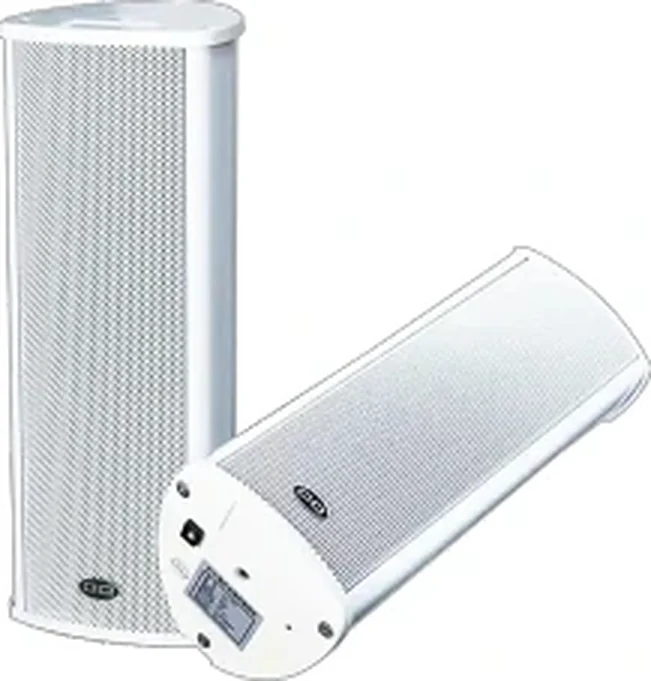
Ceiling, horn, column & wall loudspeakers
Ceiling, horn, column, wall and landscape loudspeakers for corridors, halls, factories, stations and outdoor areas — selected by coverage and environment, not by wattage alone.
 PA line · control
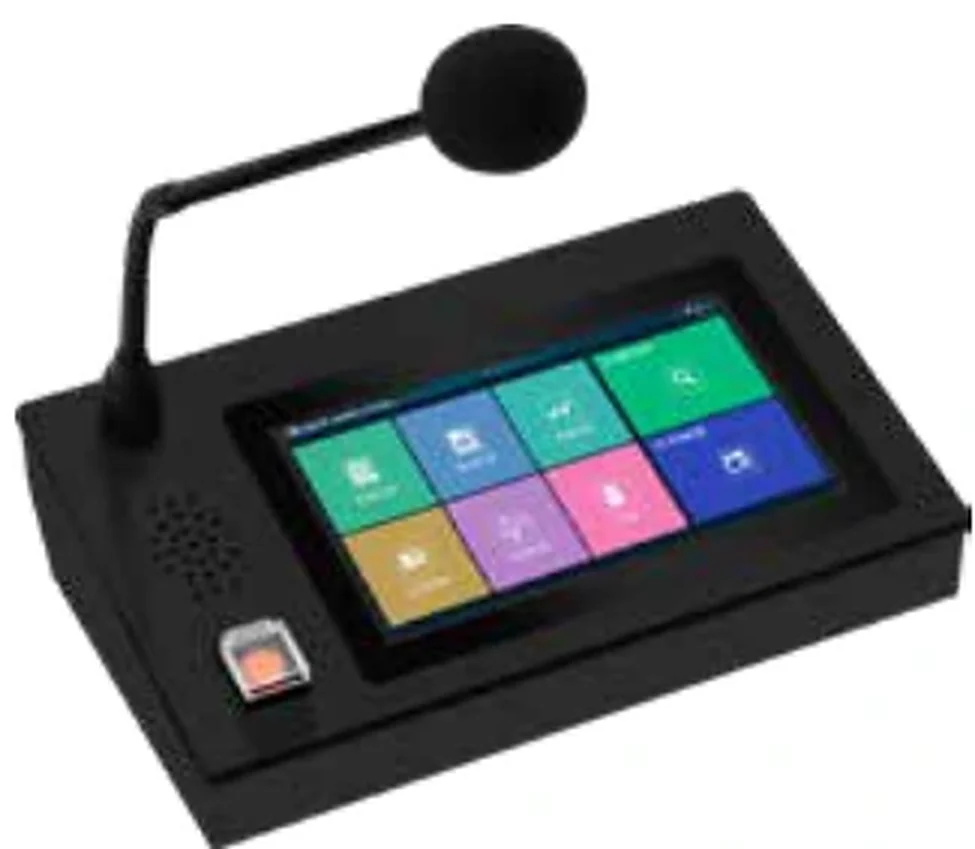
Zone paging & paging consoles
Desktop paging consoles, remote paging stations, zone selectors and timed message players for schools, hospitals, stations and commercial buildings.
Frequently asked questions
Frequently asked questions
How much power does a mixer amplifier need?
Can one mixer amplifier drive several zones?
What is the difference between a mixer amplifier and a power amplifier?
Do I need a fire override input?
What is 100V line output?
What should a mixer amplifier quotation include?
Related pages